

Gluten-Free Fried Rice Recipe: Quick & Delicious (with Veggies & Protein Options)

Gluten free fried rice, coeliac disease

Are you craving a savory, satisfying meal that’s gluten-free? This easy gluten-free fried rice recipe is the perfect solution! Packed with flavor and customizable with your choice of veggies and protein, it’s a great dish for busy weeknights or meal prep. Plus, it’s simple to make and ready in under 30 minutes!

Ingredients for Gluten-Free Fried Rice

  • 2 cups cooked rice (preferably day-old rice for best texture)
  • 2 tbsp gluten-free soy sauce (or tamari for soy-free option)
  • 1 tbsp sesame oil (for added flavor)
  • 2 tbsp vegetable oil (for frying)
  • 1/2 cup diced onions (yellow or green onions work well)
  • 1/2 cup diced carrots (fresh or frozen)
  • 1/2 cup peas (frozen peas are a quick option)
  • 2 large eggs (scrambled, optional)
  • 1/2 cup cooked chicken, shrimp, or tofu (for added protein, optional)
  • 2 cloves garlic (minced)
  • 1 tbsp ginger (fresh, minced)
  • Salt and pepper (to taste)
  • Optional garnishes: chopped cilantro, green onions, sesame seeds

How to Make Gluten-Free Fried Rice

Step 1: Prepare Ingredients

  • Start by cooking your rice (if not using leftover rice). Day-old rice is best for fried rice as it’s drier and less sticky.
  • Scramble the eggs in a separate pan. Set aside once cooked.

Step 2: Sauté Vegetables and Protein

  • Heat vegetable oil in a large skillet or wok over medium-high heat.
  • Add diced onions, carrots, and peas. Cook for 3-4 minutes, or until they begin to soften.
  • If you’re adding protein (chicken, shrimp, or tofu), toss it in at this point and stir-fry for an additional 2-3 minutes until heated through.

Step 3: Add Garlic and Ginger

  • Stir in minced garlic and ginger, cooking for another minute until fragrant.

Step 4: Combine Rice

  • Add your cooked rice to the pan and break up any clumps. Stir well to combine with the vegetables and protein.
  • Pour in the gluten-free soy sauce (or tamari) and sesame oil. Stir-fry for another 5-7 minutes, letting the rice crisp up a bit on the edges.

Step 5: Add Eggs and Seasoning

  • Add the scrambled eggs to the pan and stir to incorporate. Season with salt and pepper to taste.

Step 6: Garnish and Serve

  • Remove from heat and garnish with fresh cilantro, green onions, and sesame seeds if desired.
  • Serve your gluten-free fried rice hot and enjoy!

Tips for the Best Gluten-Free Fried Rice

  • Use day-old rice: Fresh rice tends to be too soft and sticky for stir-frying. Day-old rice is drier and gives you that signature fried rice texture.
  • Customize your protein: You can use chicken, shrimp, tofu, or even keep it plant-based with just the veggies.
  • Add more vegetables: Try bell peppers, mushrooms, or broccoli for extra color and nutrition.
  • For a soy-free option: Substitute the gluten-free soy sauce with coconut aminos.

Why Choose Gluten-Free Fried Rice?

  • Gluten-Free: This recipe is 100% gluten-free, making it perfect for those with dietary restrictions or those simply choosing to avoid gluten.
  • Quick and Easy: Ready in under 30 minutes, it’s the perfect meal for a busy day.
  • Versatile: You can easily adjust this recipe to include your favorite vegetables or protein options.
  • Healthy: Packed with vegetables, protein, and healthy fats, this dish makes for a nutritious and satisfying meal.

Nutritional Information (Per Serving)

  • Calories: 300-400 (depending on protein choices)
  • Protein: 12-20g
  • Carbs: 45-50g
  • Fat: 15-20g
  • Fiber: 3-5g

Coeliac Disease: Historical Insights from Ancient to Modern Day

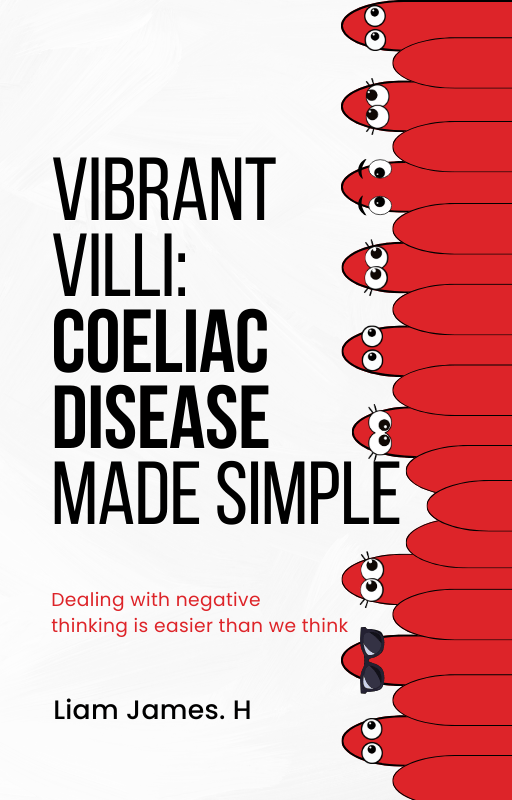
This blog post is an expert from Chapter 1 of my book: Vibrant Villi – Coeliac Disease Made Simple.

The history of coeliac disease can be traced back to ancient times.

2nd Century

The first known description of the disease was written by the Greek physician Aretaeus of Cappadocia in the 2nd century AD.

Aretaeus

Aretaeus, a distinguished Greek physician, holds a special place in medical history as one of antiquity’s most influential writers. His eight medical texts explored a wide range of ailments, including asthma, epilepsy, pneumonia, and the condition we now recognize as coeliac disease. You could say he was the “Jack of all ailments” in his day—minus the modern diagnostic tools, of course.

In his book On the Causes and Symptoms of Chronic Diseases, Aretaeus offered the first known description of coeliac disease, which he called “coeliac affection.” The term ‘koiliakos’ was derived from the Greek word ‘koelia,’ meaning abdomen—a clear hint that something was afoot (or ab-domen!) in the digestive system. He described the condition succinctly:
“If the stomach be irretentive of the food and if it pass through undigested and crude, and nothing ascends into the body, we call such persons coeliacs.”

For a man living over 1,800 years ago, his observations were impressively accurate. Aretaeus noted that this affliction primarily affected children and was often associated with malnutrition and wasting. His treatment advice? Avoid grains like wheat, barley, and millet. In other words, he was centuries ahead of the modern gluten-free movement—no trendy quinoa bowls required.

Aretaeus didn’t stop at coeliac disease. He also wrote about diabetes, asthma, epilepsy, and more, proving himself to be a true medical multitasker. His sharp observations and practical advice laid the foundation for modern medicine, showing that even in the ancient world, science was far from crude.

19th Century

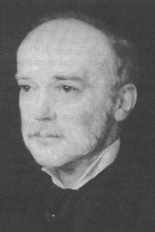
For centuries, coeliac disease was an enigma—a mysterious and often fatal condition that baffled physicians. But by the 19th century, the medical world started making headway, thanks to some diligent researchers. Among them was Samuel Gee (1839–1911), an English paediatrician who, in 1888, provided a game-changing breakthrough in understanding the disease.

Samuel Gee

In his paper, On the Coeliac Affection, published in the St. Bartholomew’s Hospital Reports, Gee offered the first comprehensive modern description of coeliac disease. He didn’t just stumble onto his findings; he meticulously studied over 100 children with chronic indigestion, wasting, and other symptoms. If Gee had a superhero alias, it might have been “Captain Observant.”

Gee noted that the disease’s tell-tale signs included chronic diarrhoea, abdominal distension, wasting, and stunted growth—symptoms that sound like a checklist for a very unpleasant day. He also observed a higher prevalence among children from poorer backgrounds, possibly because their diets included more grain-based staples (or perhaps because gluten-free croissants hadn’t been invented yet).

Most impressively, Gee theorized that coeliac disease was caused by a food intolerance, decades before “gluten-free” became a dinner-party buzzword. He discovered that his patients improved on a diet excluding wheat and other grains, but the exact culprit eluded him. Gluten, lurking like an invisible dietary villain, would remain unmasked for decades.

Beyond coeliac, Gee was a busy man. He contributed to understanding conditions like cyclic vomiting syndrome and scarlet fever, while also mentoring a generation of paediatricians. A respected teacher and practitioner, Gee’s legacy reached far beyond his own research, though he probably never guessed he’d inspire millions to swear off bread centuries later.

Gee’s groundbreaking work on coeliac disease transformed countless lives. Today, he stands as a towering figure in the history of coeliac research—a hero of the gluten-intolerant, even if he never got to taste a slice of gluten-free pizza himself.

20th Century

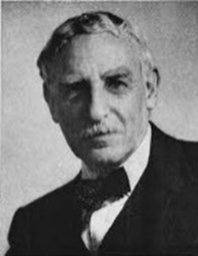
A couple of decades later in the 1920s, the American paediatrician Sidney Haas conducted a series of experiments that showed that carbohydrates were the culprit food in coeliac disease.

Sidney Haas

He is best known for introducing the “banana diet,” a treatment regimen that involved feeding coeliac patients a diet rich in bananas and other fruits and vegetables. Haas’s work on coeliac disease was groundbreaking at the time, as the cause of the disease was not yet understood. He observed that children with coeliac disease who ate bananas showed significant improvement in their symptoms. Haas hypothesized that bananas contained an enzyme that could break down the protein that triggers the illness.

Haas’s banana diet was not a cure, but it did provide a way to manage symptoms. It was widely used in the 1950s and 1960s, before the development of a gluten-free diet.

Haas’s work on coeliac disease was controversial, as some doctors believed that bananas were not an effective treatment. However, his work paved the way for the development of new treatments.The history of coeliac disease can be traced back to ancient times.

.. For the rest, and much more, check out my eBook on Amazon!

Click here!

Or, for free updates about Coeliac Disease and Gluten-Free Travel, sign up for free:

Go back

Your message has been sent

Warning