The Ultimate Gluten-Free Guide to Cardiff: A Coeliac’s Haven in Wales (2025)

Looking for safe gluten-free options in Cardiff? As a coeliac who’s explored this vibrant Welsh capital, I’m excited to share this comprehensive guide to help you navigate Cardiff’s growing gluten-free scene with confidence. Cardiff has become increasingly coeliac-friendly over the past few years, making it a fantastic destination for anyone following a strict gluten-free diet.
Gluten free Cardiff

🌟 Quick Highlights:

  • Cardiff’s dedicated gluten-free spots
  • Coeliac-friendly restaurants with cross-contamination protocols
  • Hidden gems and local favorites
  • Tips for safe shopping
  • Price ranges for budgeting

Safe Havens: 100% Gluten-Free Establishments

  1. Coeliac Kitchen (Cardiff Bay)
  • Dedicated gluten-free bakery with zero cross-contamination risk
  • Must-try: Their Welsh cakes (£2.50 each) and afternoon tea (£25 per person)
  • Pre-order available for special occasions (48 hours notice required)
  • Indoor and outdoor seating available
  • Opening hours: Tuesday-Sunday, 9am-5pm
  • Perfect spot for breakfast meetings or casual lunch
  1. The Free From Café (City Centre)
  • 100% gluten-free premises with dairy-free options
  • Extensive breakfast and lunch menu (£8-15 per main course)
  • Popular for their Sunday roasts (booking essential)
  • Kids menu available
  • Cozy atmosphere with local artwork
  • Weekly specials board featuring seasonal dishes

Coeliac-Friendly Restaurants

  1. The Real Italian (Castle Quarter)
  • Certified gluten-free pizza options (£12-18)
  • Separate prep area with color-coded equipment
  • Staff trained in coeliac safety protocols
  • Extensive wine list with clearly marked GF options
  • Beautiful castle views from the terrace
  • Perfect for romantic dinners or group celebrations
  1. Cardiff Castle Kitchen
  • Clearly marked menu with 40+ gluten-free options
  • Dedicated fryer for chips and other fried items
  • Traditional Welsh dishes with GF alternatives
  • Price range: £15-25 for main courses
  • Historic setting with modern safety standards
  • Seasonal menu changes with local ingredients

Shopping for Gluten-Free Products

  1. Cardiff Central Market
  • Several stalls offering GF products
  • Fresh produce and local goods
  • “Free From Wales” stall specializes in Welsh GF products
  • Best times to visit: Tuesday-Saturday, 8am-12pm for freshest selection
  • Local producers often offer samples
  • Monthly artisan food markets with GF options
  1. Major Supermarkets
  • Tesco Extra (Western Avenue)
    • Largest Free From section in Cardiff
    • Weekly deals on GF products
    • Dedicated GF freezer section
  • Marks & Spencer Food Hall
    • Premium GF ready meals
    • Extensive GF snack selection
  • Morrison’s (City Centre)
    • Budget-friendly GF basics
    • Fresh GF bakery items daily

Local Tips:

  • Always mention you’re coeliac, not just gluten-free
  • Cardiff has a strong coeliac community group that meets monthly at The Free From Café
  • Download the local celiac society app for instant updates
  • Join the “Cardiff Coeliacs” Facebook group for real-time recommendations

Safety First:

  • Always call restaurants in advance during peak hours
  • Carry a Welsh translation card for “coeliac disease” (available at tourist offices)
  • Keep emergency snacks handy (local shops close early on Sundays)
  • Consider downloading the local allergen alert app

Hidden Gems:

  • Cardiff Bay’s weekend market (Saturday-Sunday, 10am-5pm) features 5+ GF street food vendors
  • Several traditional Welsh cake makers now offer GF versions (pre-order recommended)
  • Local food festivals usually have dedicated GF sections with sampling opportunities
  • Monthly pop-up GF bakery events across the city

Planning Your Visit:

  • Book popular spots at least 48 hours in advance
  • Consider staying near Cardiff Bay or City Centre for easy access to GF options
  • Join local Facebook groups for current recommendations
  • Best times to visit: Spring and Autumn for food festivals

Transportation Tips:

  • Most GF restaurants are within walking distance of Cardiff Central Station
  • Bay Bus runs every 10 minutes to Cardiff Bay’s GF spots
  • Parking available at St. David’s Centre for city centre locations
  • Bike-sharing scheme available for exploring multiple locations

For more gluten free tips & tricks, subscribe for free:

Go back

Your message has been sent

Warning

The Complete Guide to Affordable Gluten-Free Shopping: Money-Saving Tips (Updated for 2025)

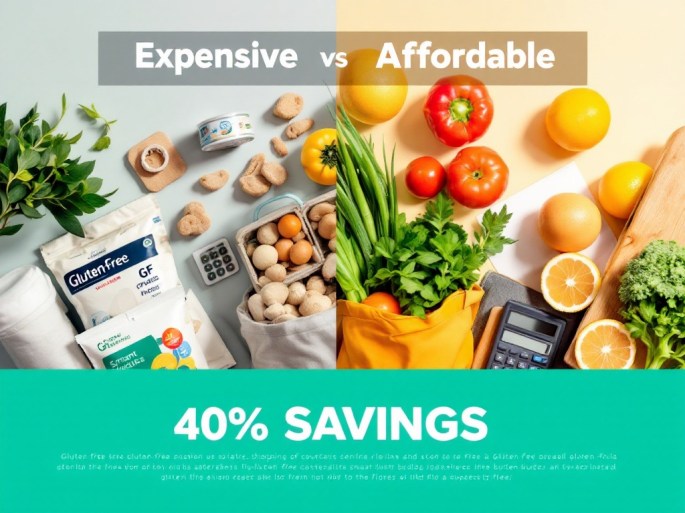
As a coeliac navigating today’s grocery landscape, finding affordable gluten-free options can feel overwhelming. With food prices up 12% since 2024, smart shopping is more crucial than ever. This comprehensive guide shares battle-tested strategies to cut your gluten-free food costs by up to 40%.

Essential Money-Saving Strategies for Gluten-Free Shopping

Strategic Store Selection

• Aldi’s GF Range: 30-40% cheaper than premium brands

• Lidl’s “Free From” collection: Best value for basics

• Tesco Value Range: Competitive pricing on staples

• Morrison’s bulk section: Save 25% on naturally GF grains

    Price Comparison Chart (February 2025):

    • GF Bread:
    • • Premium brands: £3.50-4.00
    • • Store brands: £2.00-2.50
    • • Savings: Up to 40%

    • GF Pasta (500g):
    • • Premium brands: £2.80-3.20
    • • Store brands: £1.50-1.80
    • • Savings: Up to 45%

    Naturally Gluten-Free Powerhouses Most Cost-Effective Options (Price per 100g):

    • Rice: £0.15-0.20

    • Potatoes: £0.12-0.15

    • Lentils: £0.25-0.30

    • Quinoa: £0.60-0.70

    • Sweet potatoes: £0.20-0.25

    Bulk Buying Strategy Best Items for Bulk Purchase:

    • Rice (10kg bags): £12-15, saving 35%

    • Quinoa (5kg bags): £20-25, saving 30%

    • GF Oats (5kg): £8-10, saving 40%

    • Storage time: 6-12 months

    Seasonal Shopping Calendar Spring (March-May):

    • Best time for fresh herbs

    • Stock up on frozen berries

    • Early vegetables savings

      Summer (June-August): • Bulk buy summer fruits for freezing • Fresh vegetables at peak affordability • Farmers market end-of-day discounts

      Autumn (September-November): • Root vegetables bulk buying • Apple and pear preservation • Pre-holiday sales on shelf-stable items

      Winter (December-February): • Post-holiday clearance sales • Frozen vegetable stock-up • Bulk grain purchasing

      Money-Saving Apps and Programs:

        • Tesco Clubcard: Triple points on GF items
        • Sainsbury’s Nectar: Special GF offers
        • Morrison’s More: Weekly GF deals

        DIY Gluten-Free Basics Cost-Effective Homemade Solutions:

        • Rice flour: £0.50/100g
        • Potato starch: £0.40/100g
        • Tapioca flour: £0.45/100g Total blend cost: £1.35/300g vs. £3.00 store-bought

        Real Numbers from Real People: “I cut my monthly GF shopping from £400 to £250 using these strategies” – Sarah, Manchester

        “Bulk buying reduced our family’s GF costs by 35%” – James, London

        Common Pitfalls to Avoid:

        • Buying GF versions of everything • Ignoring frozen options • Missing bulk purchase opportunities • Skipping meal planning • Not using store loyalty programs

        Remember: Quality matters as much as price. Always check for proper GF certification and cross-contamination protocols, even when buying budget options.

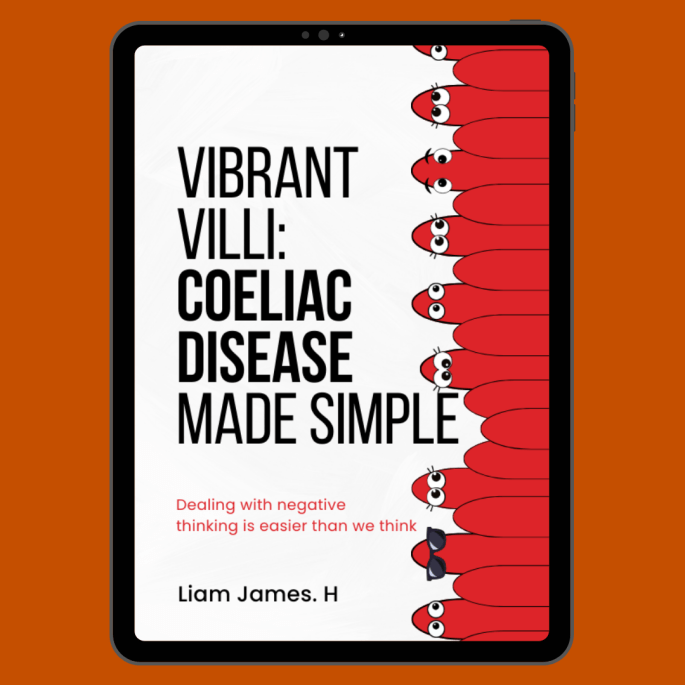
        Check out my book all about coeliac disease:

        The Ultimate Guide to Gluten-Free Dining in Krakow (2025 Update)

        As someone living with celiac disease, I’m excited to share this comprehensive guide to gluten-free dining in Krakow, with verified information about one of the city’s dedicated gluten-free establishments.

        Featured Dedicated Gluten-Free Restaurant:

        Zapiekane Gluten Free Bistro

        • Location: Koletek 7, 31-069 Kraków, Poland
        • Current Rating: 4.8/5 (419 verified reviews)
        • Price Range: 20-40 zł
        • Contact: +48 790 764 508
        • Opening Hours:
          • Wednesday to Sunday: 1:00 PM – 6:00 PM
          • Monday and Tuesday: Closed

        Key Features:

        • 100% dedicated gluten-free facility
        • Certified “Menu bez glutenu” (Gluten-free menu certification)
        • Offers traditional Polish street food in gluten-free versions
        • Vegan options available
        • Outdoor seating available
        • No reservations required

        Menu Highlights:

        • Traditional zapiekanki (Polish street food)
        • Pizzerini
        • Hot dogs
        • Vegan and meat burgers
        • Traditional Polish pierogi
        • Gluten-free donuts
        • Dairy-free cheese options available

        Tips for Dining:

        1. Best Times to Visit
        • Weekdays are typically less busy
        • Peak hours are between 2-4 PM
        • Weekends can get very busy, especially between 2-5 PM
        1. Essential Polish Phrases
        • “Bezglutenowe” (Gluten-free)
        • “Mam celiakię” (I have celiac disease)
        • “Czy to jest bezglutenowe?” (Is this gluten-free?)

        Shopping for Gluten-Free Products: Verified locations for gluten-free groceries in Krakow:

        • Carrefour (confirmed to have a reasonable selection of gluten-free products)

        Additional Celiac-Safe Options in Krakow:

        Pod Norenami (Asian Fusion)

        • Location: Krupnicza 6
        • Features:
          • Dedicated gluten-free menu
          • Staff trained in cross-contamination prevention
          • Clear allergen labeling
          • Asian fusion cuisine with Polish influences

        Gluten-Free Bakeries:

        Sweet Freedom Bakery

        • Location: Józefa 25
        • Specialties:
          • Fresh gluten-free bread daily
          • Traditional Polish pastries (bezglutenowe)
          • Custom-order cakes
          • Vegan options available

        Safe Chain Restaurants:

        1. Green Way
        • Multiple locations throughout Krakow
        • Features:
          • Clearly marked gluten-free options
          • Vegetarian/vegan friendly
          • Staff trained in allergen handling
        1. Sphinx
        • Several locations in city center
        • Features:
          • Dedicated gluten-free menu
          • Cross-contamination protocols in place
          • Mediterranean and Polish fusion

        Apps and Resources:

        • FindMeGlutenFree app – regularly updated for Krakow
        • Polish Celiac Society website (Polskie Stowarzyszenie Osób z Celiakią)
        • Local Facebook group: “Gluten Free Krakow Community”

        Conclusion:

        Krakow has evolved into a surprisingly accommodating destination for celiac travelers. While traditional Polish cuisine often contains gluten, the city’s growing awareness of celiac disease has led to an increase in safe dining options. From dedicated gluten-free facilities to adapted traditional restaurants, finding safe food is becoming easier each year.

        Understanding Villi: Key to Nutrient Absorption


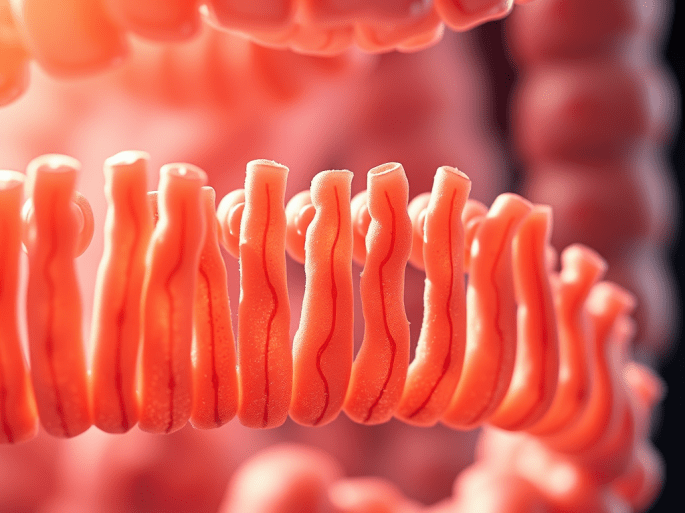
        The relationship between gluten and the villi in the small intestine is a central aspect in understanding coeliac disease.  When a person with coeliac disease consumes gluten, the villi in their small intestine undergo inflammation and damage, leading to the flattening of them, causing a wide range of short-term and long-term symptoms. 

        The human digestive system is a remarkable and intricately designed mechanism that plays a vital role in breaking down food and absorbing essential nutrients. Among its many components, the small intestine stands out as a key player in nutrient absorption, thanks to its unique structure, particularly the finger-like projections known as villi. But what are villi? Let’s delve into the world of villi in the intestine, exploring their structure, functions, and the pivotal role they play in ensuring efficient nutrient absorption.

        Structure of Villi: Villi are tiny, finger-like projections that line the inner wall of the small intestine, creating a vast surface area for nutrient absorption. These structures, which resemble microscopic hair-like projections, increase the overall absorptive capacity of the small intestine tremendously. Each villus consists of a core of connective tissue, a network of blood vessels, and a lymphatic vessel, all encased in a layer of simple columnar epithelial cells.

        The Surface Area Advantage: The primary function of villi is to maximize the surface area available for nutrient absorption. The small intestine, despite its name, is the longest part of the digestive tract, and villi significantly enhance its absorptive capacity. When viewed collectively, the vast number of villi in the small intestine creates a surface area large enough to facilitate the absorption of nutrients from the digested food.

        Absorption Process: Villi play a crucial role in the absorption of nutrients such as carbohydrates, proteins, fats, vitamins, and minerals. As the products of digestion pass through the small intestine, they encounter the microvilli on the surface of the epithelial cells, further increasing the absorptive surface area. The nutrients are then absorbed through the epithelial cells and transported into the bloodstream or lymphatic system, where they are distributed to various parts of the body.

        Blood and Lymphatic Supply: The core of each villus contains a dense network of capillaries and a lacteal, which is a lymphatic vessel. These blood vessels and the lacteal work together to transport absorbed nutrients away from the small intestine and into the circulatory system. The bloodstream carries water-soluble nutrients, such as sugars and amino acids, while the lacteal transports fats and fat-soluble vitamins. This intricate network ensures that the absorbed nutrients reach their respective destinations within the body.

        Role in Maintaining Homeostasis: Beyond nutrient absorption, villi also contribute to the maintenance of homeostasis within the body. By selectively absorbing nutrients based on the body’s needs, the villi help regulate essential processes such as blood sugar levels, electrolyte balance, and overall energy homeostasis.

        The microscopic villi in the small intestine are unsung heroes in the intricate dance of digestion and nutrient absorption. Their unique structure and function exemplify the elegance of the human body’s design, allowing for efficient absorption of vital nutrients essential for sustaining life. Understanding the role of villi not only enhances our appreciation for the complexity of the digestive system but also underscores the importance of maintaining a healthy and balanced diet to support optimal nutrient absorption and overall well-being. As the immune system perceives gluten as harmful and launches an attack on the villi when gluten is consumed, it’s vital that people with coeliac disease protect their villi and avoid gluten

        This is taken from my book: Vibrant Villi

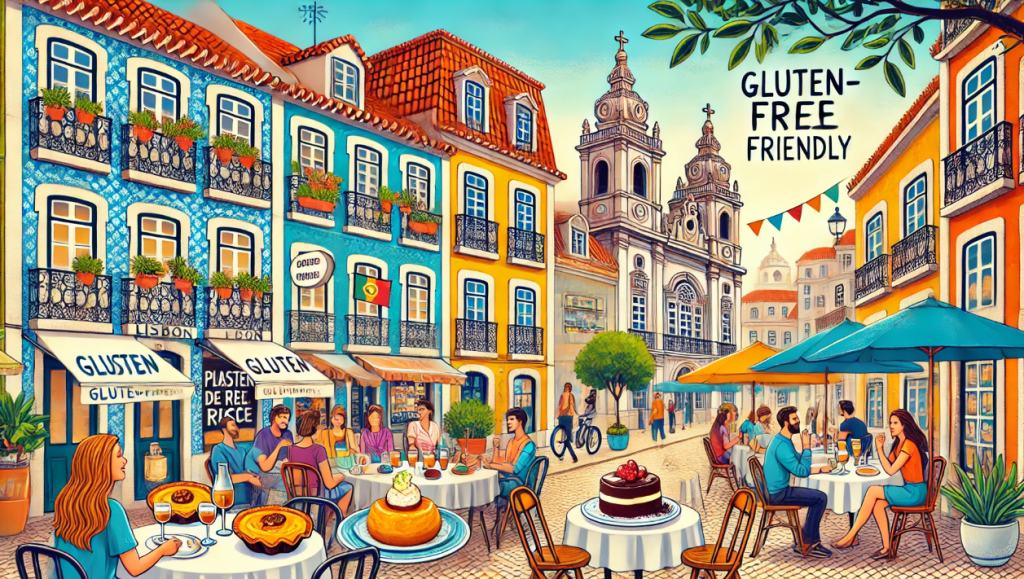
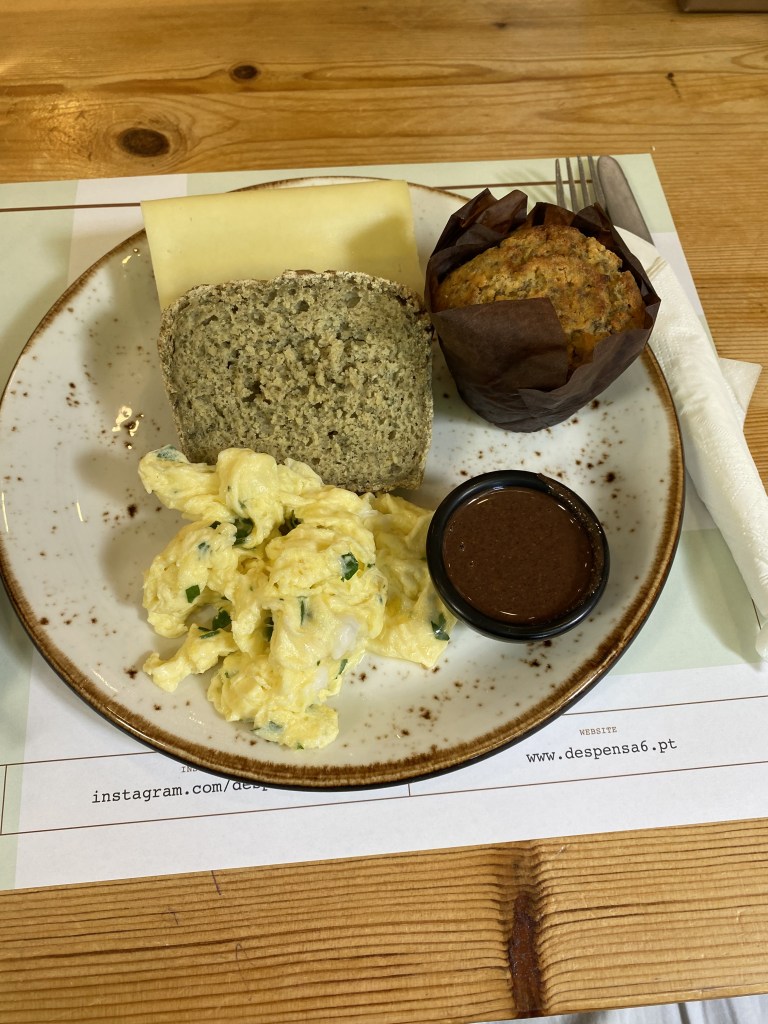
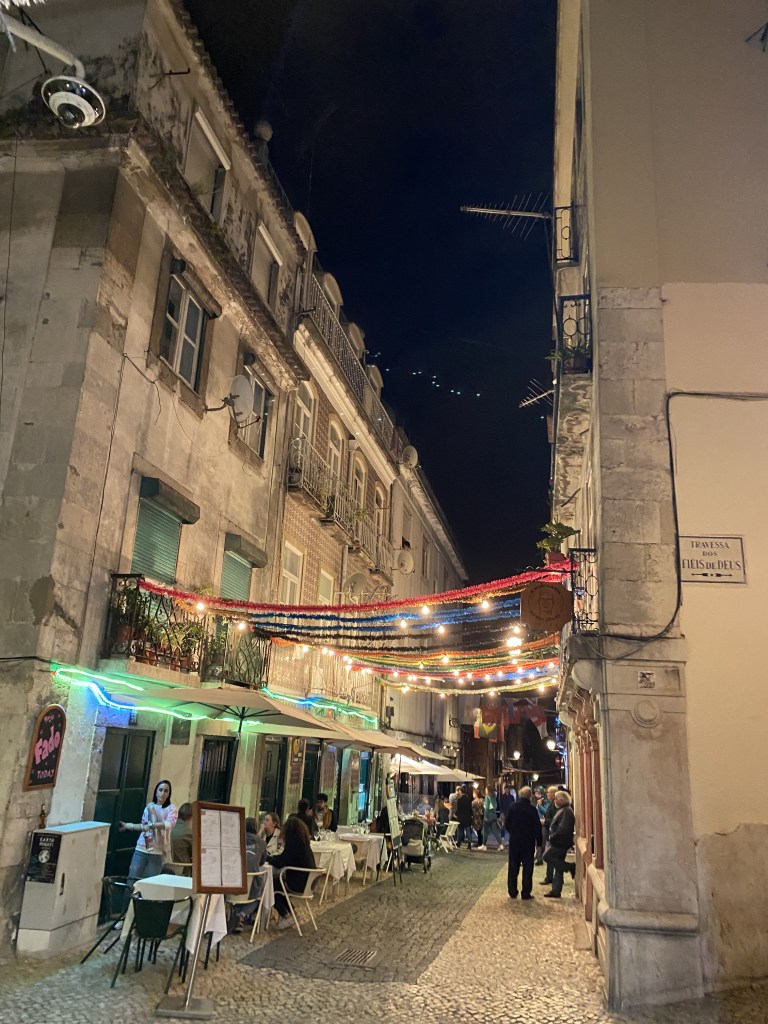
        A Coeliac’s Guide to Gluten-Free Dining in Lisbon: Must-Visit Restaurants (2025 Update

        As someone living with celiac disease who has traveled across 5 continents, I’m excited to share my carefully researched guide to truly celiac-safe dining in Lisbon.

        While the city offers many gluten-free options, I’ll focus on the establishments that take cross-contamination seriously and are certified by the Portuguese Celiac Association (APC).

        1. The Food for Real – This APC-certified 100% gluten-free restaurant is a true gem for celiacs in Lisbon. With two locations in the city, they’ve earned their reputation as one of the safest options for celiac diners. Their dedicated gluten-free kitchen ensures zero cross-contamination, making it a worry-free dining experience.
        2. Rice Me – Located in central Lisbon, Rice Me specializes in rice-based dishes with dedicated gluten-free options. While not a 100% gluten-free facility, they demonstrate strong awareness of celiac requirements and have clear protocols for handling gluten-free orders.
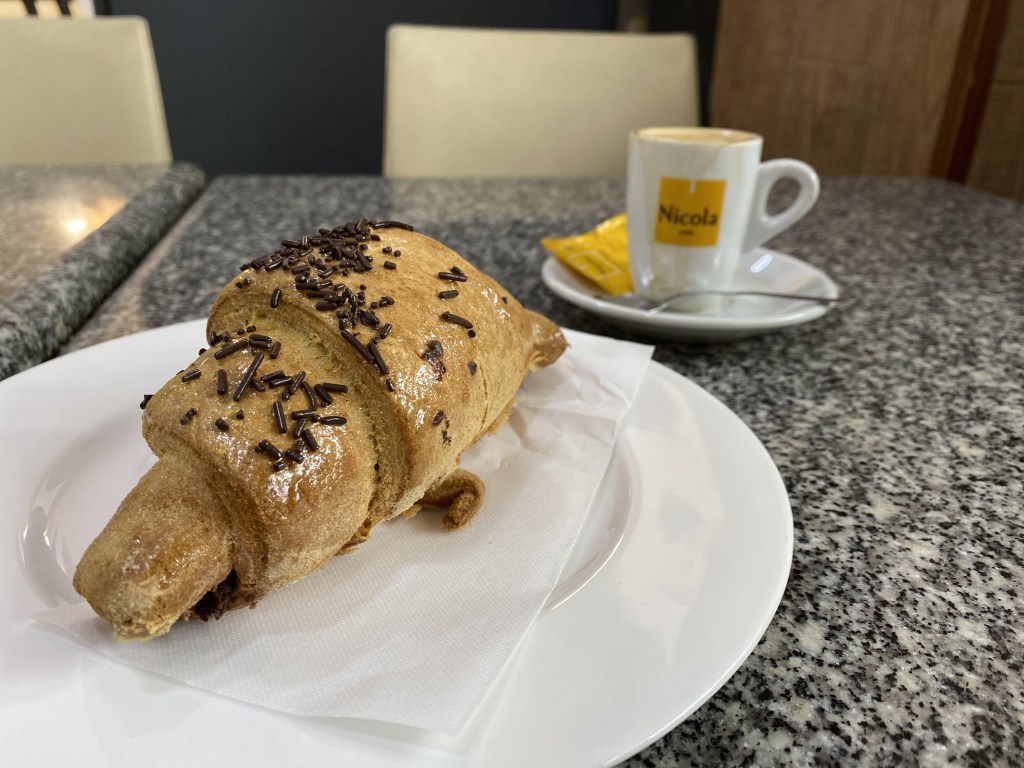
        3. Bonna Pastelaria Gluten Free – This 100% gluten-free bakery is certified by the Portuguese celiac association, offering everything from pizzas to traditional Portuguese pastries. Finally, a place where celiacs can safely enjoy pastel de nata!

        Important Tips for Celiac Diners in Lisbon:

        • Always carry a Portuguese gluten-free restaurant card (“cartão sem glúten”)
        • Make reservations in advance and communicate your celiac requirements
        • Look for APC certification (Portuguese Celiac Association)
        • Remember that “sem glúten” means gluten-free in Portuguese

        Natural Gluten-Free Portuguese Options:

        • Grilled fish (peixe grelhado)
        • Grilled meat (carne grelhada)
        • Rice dishes (arroz)
        • Boiled potatoes (batatas cozidas)
        • Fresh vegetables (legumes frescos)

        Final Thoughts – Lisbon isn’t just another European capital – it’s a celiac-friendly destination that takes gluten-free dining seriously. Whether you’re craving traditional Portuguese flavors or international cuisine, these restaurants prove that being coeliac in Lisbon is no barrier to exceptional dining experiences.

        Remember to pack those stretchy pants – you’re going to need them!

        Have you tried any of these gluten-free restaurants in Lisbon? Share your experiences in the comments below! And don’t forget to save this guide for your next trip to Portugal’s capital.

        Go back

        Your message has been sent

        Warning

        #GlutenFreeLisbon #CoeliacTravel #GlutenFreePortugal #LisbonFoodGuide #GlutenFreeDining

        🌟 Join our gluten-free community! We share daily tips, certified restaurant finds, and travel guides for living deliciously gluten-free. Hit follow for your daily dose of celiac-safe inspiration! 🌍✨ #GlutenFree #CeliacLife
        https://www.facebook.com/whatgluten/

        Why Gluten-Free Bread is the Culinary Equivalent of a Practical Joke

        Let’s face it: gluten-free bread is nature’s way of reminding us that nothing in life comes without a catch. Gluten is the glue that holds bread together—literally—and when you take it out, you’re left with something that barely qualifies as bread and more closely resembles a dense sponge that doubles as a yoga block.

        Gluten free bread

        The Texture Tango
        Biting into gluten-free bread is like chewing on sadness. It crumbles when you don’t want it to and sticks together when you least expect it—usually mid-chew, leaving you wondering if you’re eating bread or attempting to patch drywall. Toast it, and you’ve got yourself a cracker with trust issues. Don’t toast it, and it feels like someone’s cruel experiment in damp cardboard.

        Flavor? What Flavor?
        Traditional bread has a warm, yeasty aroma that makes you think of cozy kitchens and happy grandmas. Gluten-free bread, on the other hand, tastes like a dare. It often has the delightful essence of rice flour, tapioca, and crushed dreams. Smear on some butter, and instead of soaking it in like a proper slice, it just sits there like an awkward houseguest who refuses to leave.

        Slice, Dice, Cry
        You ever tried making a sandwich with gluten-free bread? Good luck. It breaks apart faster than my willpower at a buffet. You start with two slices, but by the time you’ve added the fillings, you’re holding a sandwich casserole. And forget cutting it evenly—gluten-free bread has a mind of its own, slicing at angles that defy geometry and common sense.

        The Price of Disappointment
        And don’t get me started on the price. Regular bread costs a few bucks, but gluten-free bread? That’s an investment. At $7 a loaf, it’s like paying premium prices for an artisanal brick. For that cost, I expect it to taste better than air and not disintegrate the moment I look at it funny.


        Let’s stop pretending gluten-free bread is bread. It’s just an expensive science experiment that’s escaped the lab. Gluten-free brownies, cookies, and even pizza crusts have come a long way—why can’t bread? Until then, I’ll be here with my gluten-filled sourdough, living my best life.

        If you’re a coeliac or live a gluten-free lifestyle, sign up for updates to stay informed and discover tips, recipes, and more!

        Go back

        Your message has been sent

        Warning

        Gluten-Free Fast Food? A McDonald’s Surprise in Budapest

        Greetings, gluten warriors! I hope everyone’s doing well and has managed to avoid any recent “oops, is this gluten?” moments.

        Lately, I’ve been leaning into a plant-based and whole-food lifestyle—because, you know, health—but when I discovered gluten-free options at McDonald’s, my resolve wavered faster than a crumbling gluten-free sandwich. Naturally, I had to investigate.

        Back in September 2019, I found myself in the stunning capital of Hungary—Budapest. I’d only been diagnosed with celiac disease a few months earlier and hadn’t ventured far beyond the U.K. since. If you haven’t been, Budapest is a gem of a city. It’s vibrant, fascinating, and brimming with gluten-free options. Seriously, it’s a coeliac’s playground.

        While wandering Budapest in search of safe food, I stumbled upon a McDonald’s that offered gluten-free burgers. Let me tell you, my excitement rivaled finding a rogue gluten-free brownie in the back of the pantry. Not only was I thrilled to try the food, but I was also amazed at how much faster places like Hungary have embraced the gluten-free demand compared to the U.K.

        Now, I wouldn’t say I was pining for McDonald’s, but I did miss the convenience of fast food as a fallback. It’s nice to know that if I want a burger in a hurry (and who doesn’t sometimes?), I have an option—even if it does crumble like a poorly made sandcastle.

        The burger can be ordered solo or as part of a meal. The fries, however, are a contentious topic among celiacs—so I’ll leave that decision in your capable hands. (Cue the dramatic dun-dun-DUN.) On the bright side, the price wasn’t much higher than a regular meal. That’s a pleasant surprise, considering gluten-free groceries usually feel like they come with a luxury tax.

        As for the taste? Well, it was a McDonald’s burger, but with gluten-free bread. The grease seemed to hold things together better than your standard gluten-free loaf, but let’s be real—crumbly bread is inevitable. I think I enjoyed the experience more for the novelty than for the flavor.

        Have you been to Budapest? Does your local McDonald’s have gluten-free options? Let me know—I’m always on the hunt for more surprise gluten-free finds!

        Gluten Free on the GO – Snack Bars

        Preparing a gluten-free meal can be challenging, even under the best circumstances. That’s why I always keep a few gluten-free snacks handy—just in case!

        While fresh fruit is ideal, it’s not always practical when I’m traveling (which is often). Let’s be honest—bananas don’t stand a chance against the jostling of a backpack. Instead, I rely on a stash of gluten-free treats tucked away in the sock compartment of my bag.

        Here are my top three gluten-free snack bars:

        #1 Nakd

        SOURCE: https://www.amazon.co.uk/Nakd-Fruit-Bars-Mixed-Case/dp/B00V6H9106RCE

        I absolutely LOVE Nakd bars!

        I only discovered them about a year ago, but the company has been around for over 14 years. Nakd bars are made in the UK and use 100% natural ingredients, 100% of the time. Not only are they gluten-free, but they also count as one of your five-a-day—making them both a delicious and nutritious choice!

        My favorite flavor is Cocoa Orange, but they also have a festive Christmas flavor that’s perfect for the holiday season. I highly recommend giving them a try!

        https://eatnakd.com/

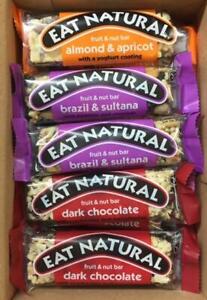
        #2Eat Natural 

        SOURCE: https://www.ebay.com/itm/Eat-Natural-Fruit-and-Nut-Bars-Mixed-Box-of-20-Bars-/132509348248

        The Eat Natural Company has been crafting delicious snacks since 1996!

        Their bars are the largest on my list, and they cater to everyone with both vegan and non-vegan options. My personal favorite? The apple, ginger, and dark chocolate flavor—I’m completely obsessed!

        Eat Natural operates in both the UK and the Netherlands, and they’re deeply committed to giving back through various charity projects. It’s a brand that not only delivers on taste but also makes a positive impact.

        https://www.eatnatural.com/

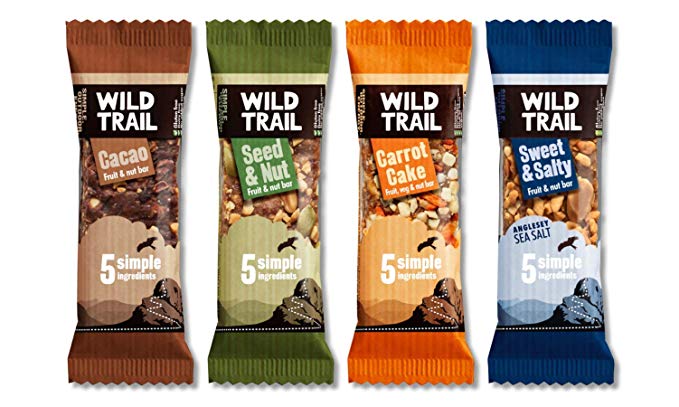
        #3Wild Trail “Simple. Outdoor. Energy”

        SOURCE: https://wildtrail.co.uk/

        Wild Trail bars may be the smallest on my list, but they’re packed with flavor!

        Launched in 2016, the company draws its inspiration from the stunning landscapes of Snowdonia. True to their ethos—”Simple. Outdoor. Energy.”—Wild Trail bars are 100% vegan and perfect for fueling your adventures.

        You can find Wild Trail products at Tesco, Co-op, Ocado, and Amazon Prime.

        Healthy, gluten free and naturally sourced snack bars are a growing market (yay for us with celiac disease), so I expect my list with grow over time!

        Have you tried any of the above? What’s your go-to gluten free snack? I’d love to know 🙂