
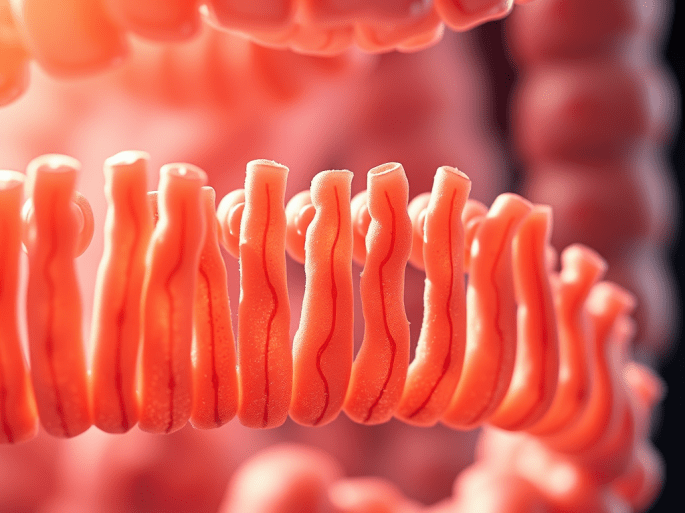
The relationship between gluten and the villi in the small intestine is a central aspect in understanding coeliac disease. When a person with coeliac disease consumes gluten, the villi in their small intestine undergo inflammation and damage, leading to the flattening of them, causing a wide range of short-term and long-term symptoms.
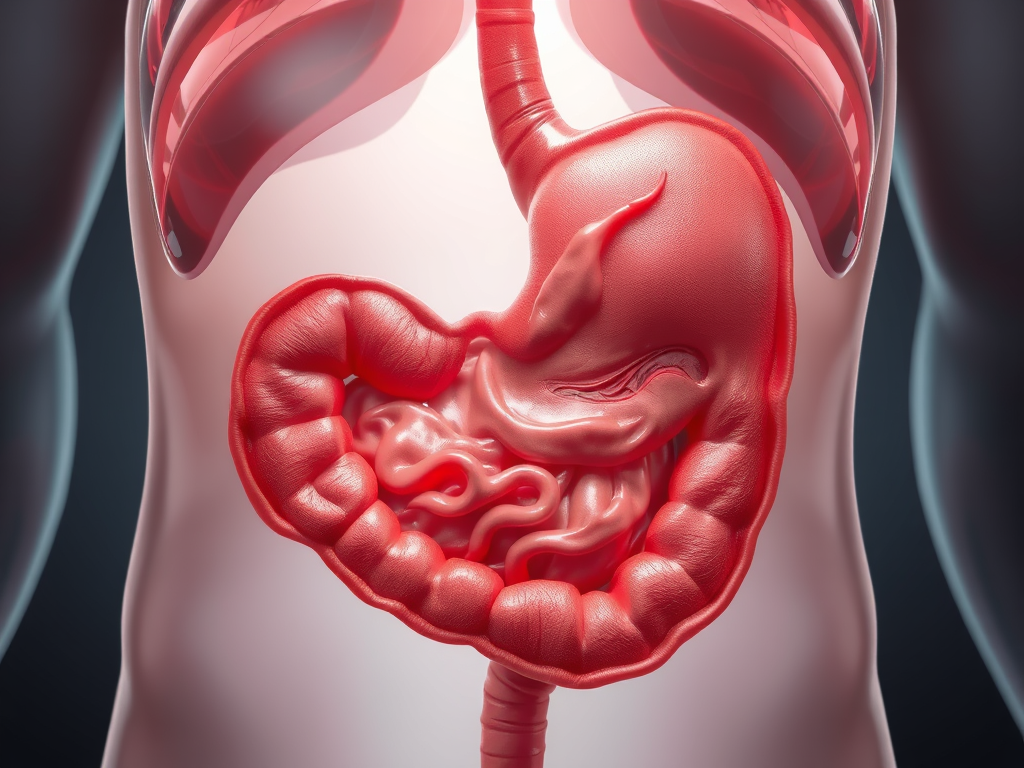
The human digestive system is a remarkable and intricately designed mechanism that plays a vital role in breaking down food and absorbing essential nutrients. Among its many components, the small intestine stands out as a key player in nutrient absorption, thanks to its unique structure, particularly the finger-like projections known as villi. But what are villi? Let’s delve into the world of villi in the intestine, exploring their structure, functions, and the pivotal role they play in ensuring efficient nutrient absorption.
Structure of Villi: Villi are tiny, finger-like projections that line the inner wall of the small intestine, creating a vast surface area for nutrient absorption. These structures, which resemble microscopic hair-like projections, increase the overall absorptive capacity of the small intestine tremendously. Each villus consists of a core of connective tissue, a network of blood vessels, and a lymphatic vessel, all encased in a layer of simple columnar epithelial cells.
The Surface Area Advantage: The primary function of villi is to maximize the surface area available for nutrient absorption. The small intestine, despite its name, is the longest part of the digestive tract, and villi significantly enhance its absorptive capacity. When viewed collectively, the vast number of villi in the small intestine creates a surface area large enough to facilitate the absorption of nutrients from the digested food.
Absorption Process: Villi play a crucial role in the absorption of nutrients such as carbohydrates, proteins, fats, vitamins, and minerals. As the products of digestion pass through the small intestine, they encounter the microvilli on the surface of the epithelial cells, further increasing the absorptive surface area. The nutrients are then absorbed through the epithelial cells and transported into the bloodstream or lymphatic system, where they are distributed to various parts of the body.
Blood and Lymphatic Supply: The core of each villus contains a dense network of capillaries and a lacteal, which is a lymphatic vessel. These blood vessels and the lacteal work together to transport absorbed nutrients away from the small intestine and into the circulatory system. The bloodstream carries water-soluble nutrients, such as sugars and amino acids, while the lacteal transports fats and fat-soluble vitamins. This intricate network ensures that the absorbed nutrients reach their respective destinations within the body.
Role in Maintaining Homeostasis: Beyond nutrient absorption, villi also contribute to the maintenance of homeostasis within the body. By selectively absorbing nutrients based on the body’s needs, the villi help regulate essential processes such as blood sugar levels, electrolyte balance, and overall energy homeostasis.
The microscopic villi in the small intestine are unsung heroes in the intricate dance of digestion and nutrient absorption. Their unique structure and function exemplify the elegance of the human body’s design, allowing for efficient absorption of vital nutrients essential for sustaining life. Understanding the role of villi not only enhances our appreciation for the complexity of the digestive system but also underscores the importance of maintaining a healthy and balanced diet to support optimal nutrient absorption and overall well-being. As the immune system perceives gluten as harmful and launches an attack on the villi when gluten is consumed, it’s vital that people with coeliac disease protect their villi and avoid gluten
This is taken from my book: Vibrant Villi
 Whatgluten