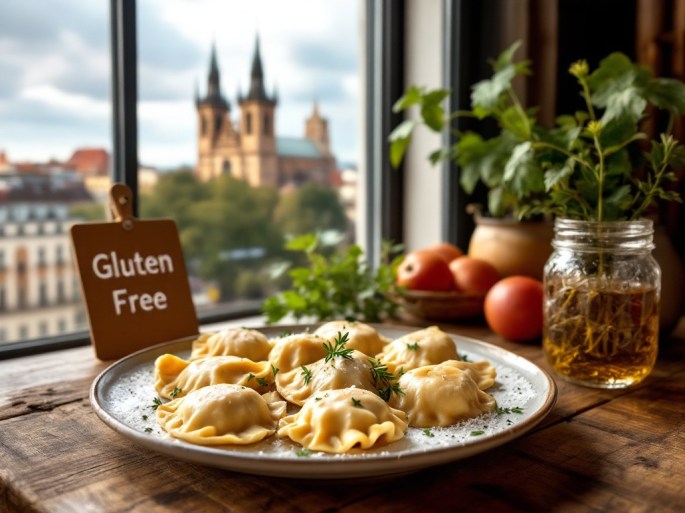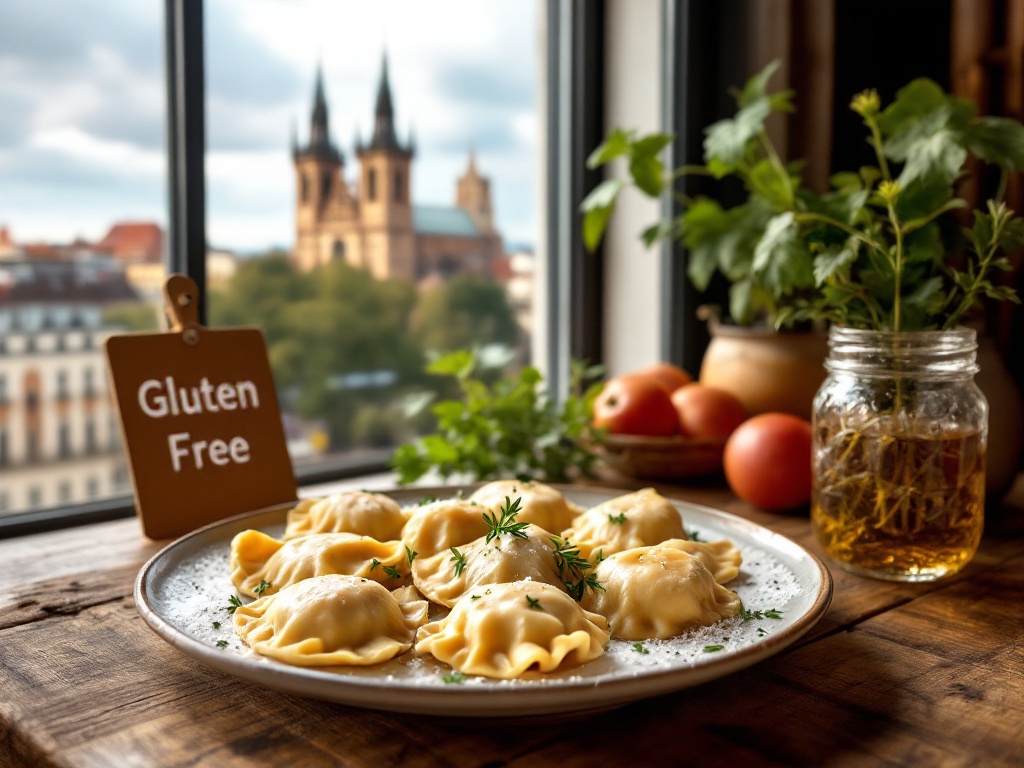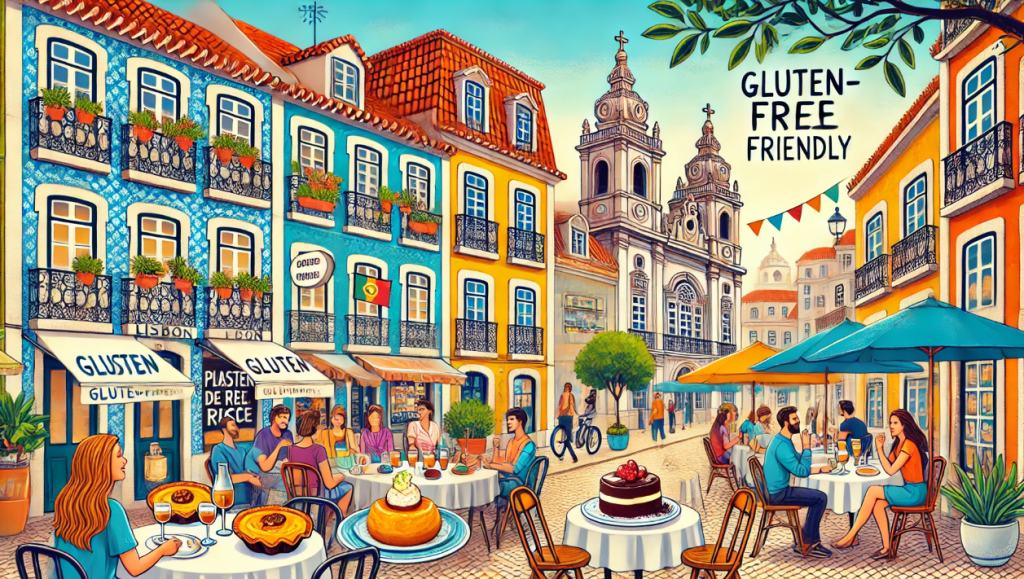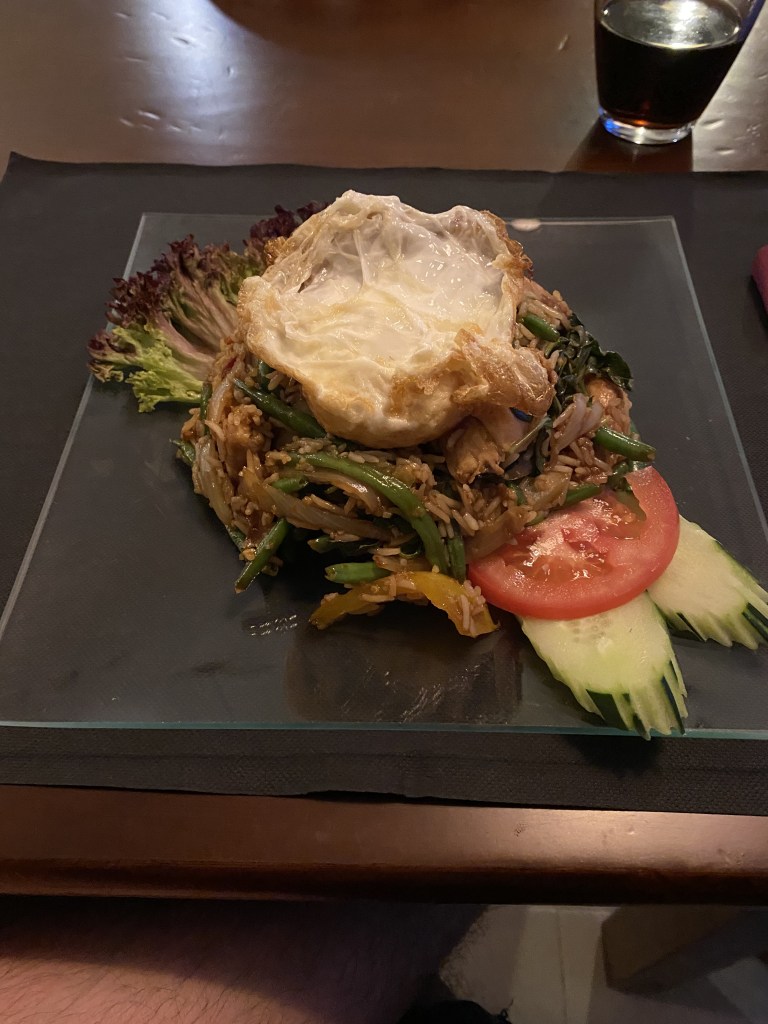
The Ultimate Gluten-Free Guide to Cardiff: A Coeliac’s Haven in Wales (2025)

Looking for safe gluten-free options in Cardiff? As a coeliac who’s explored this vibrant Welsh capital, I’m excited to share this comprehensive guide to help you navigate Cardiff’s growing gluten-free scene with confidence. Cardiff has become increasingly coeliac-friendly over the past few years, making it a fantastic destination for anyone following a strict gluten-free diet.
Gluten free Cardiff

🌟 Quick Highlights:

  • Cardiff’s dedicated gluten-free spots
  • Coeliac-friendly restaurants with cross-contamination protocols
  • Hidden gems and local favorites
  • Tips for safe shopping
  • Price ranges for budgeting

Safe Havens: 100% Gluten-Free Establishments

  1. Coeliac Kitchen (Cardiff Bay)
  • Dedicated gluten-free bakery with zero cross-contamination risk
  • Must-try: Their Welsh cakes (£2.50 each) and afternoon tea (£25 per person)
  • Pre-order available for special occasions (48 hours notice required)
  • Indoor and outdoor seating available
  • Opening hours: Tuesday-Sunday, 9am-5pm
  • Perfect spot for breakfast meetings or casual lunch
  1. The Free From Café (City Centre)
  • 100% gluten-free premises with dairy-free options
  • Extensive breakfast and lunch menu (£8-15 per main course)
  • Popular for their Sunday roasts (booking essential)
  • Kids menu available
  • Cozy atmosphere with local artwork
  • Weekly specials board featuring seasonal dishes

Coeliac-Friendly Restaurants

  1. The Real Italian (Castle Quarter)
  • Certified gluten-free pizza options (£12-18)
  • Separate prep area with color-coded equipment
  • Staff trained in coeliac safety protocols
  • Extensive wine list with clearly marked GF options
  • Beautiful castle views from the terrace
  • Perfect for romantic dinners or group celebrations
  1. Cardiff Castle Kitchen
  • Clearly marked menu with 40+ gluten-free options
  • Dedicated fryer for chips and other fried items
  • Traditional Welsh dishes with GF alternatives
  • Price range: £15-25 for main courses
  • Historic setting with modern safety standards
  • Seasonal menu changes with local ingredients

Shopping for Gluten-Free Products

  1. Cardiff Central Market
  • Several stalls offering GF products
  • Fresh produce and local goods
  • “Free From Wales” stall specializes in Welsh GF products
  • Best times to visit: Tuesday-Saturday, 8am-12pm for freshest selection
  • Local producers often offer samples
  • Monthly artisan food markets with GF options
  1. Major Supermarkets
  • Tesco Extra (Western Avenue)
    • Largest Free From section in Cardiff
    • Weekly deals on GF products
    • Dedicated GF freezer section
  • Marks & Spencer Food Hall
    • Premium GF ready meals
    • Extensive GF snack selection
  • Morrison’s (City Centre)
    • Budget-friendly GF basics
    • Fresh GF bakery items daily

Local Tips:

  • Always mention you’re coeliac, not just gluten-free
  • Cardiff has a strong coeliac community group that meets monthly at The Free From Café
  • Download the local celiac society app for instant updates
  • Join the “Cardiff Coeliacs” Facebook group for real-time recommendations

Safety First:

  • Always call restaurants in advance during peak hours
  • Carry a Welsh translation card for “coeliac disease” (available at tourist offices)
  • Keep emergency snacks handy (local shops close early on Sundays)
  • Consider downloading the local allergen alert app

Hidden Gems:

  • Cardiff Bay’s weekend market (Saturday-Sunday, 10am-5pm) features 5+ GF street food vendors
  • Several traditional Welsh cake makers now offer GF versions (pre-order recommended)
  • Local food festivals usually have dedicated GF sections with sampling opportunities
  • Monthly pop-up GF bakery events across the city

Planning Your Visit:

  • Book popular spots at least 48 hours in advance
  • Consider staying near Cardiff Bay or City Centre for easy access to GF options
  • Join local Facebook groups for current recommendations
  • Best times to visit: Spring and Autumn for food festivals

Transportation Tips:

  • Most GF restaurants are within walking distance of Cardiff Central Station
  • Bay Bus runs every 10 minutes to Cardiff Bay’s GF spots
  • Parking available at St. David’s Centre for city centre locations
  • Bike-sharing scheme available for exploring multiple locations

For more gluten free tips & tricks, subscribe for free:

Go back

Your message has been sent

Warning

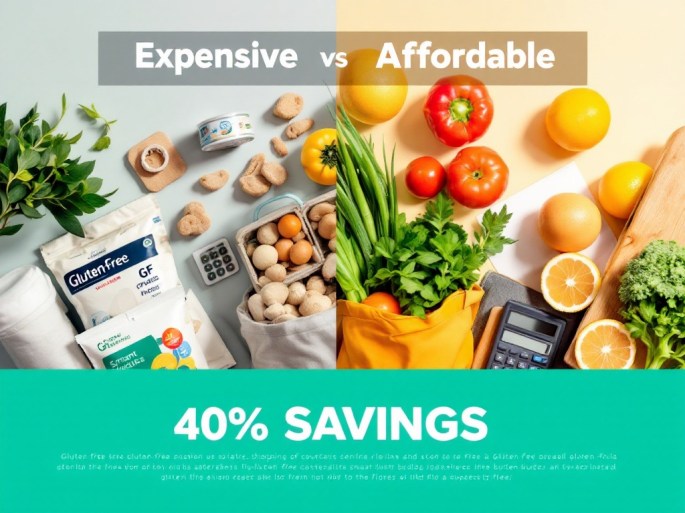
The Complete Guide to Affordable Gluten-Free Shopping: Money-Saving Tips (Updated for 2025)

As a coeliac navigating today’s grocery landscape, finding affordable gluten-free options can feel overwhelming. With food prices up 12% since 2024, smart shopping is more crucial than ever. This comprehensive guide shares battle-tested strategies to cut your gluten-free food costs by up to 40%.

Essential Money-Saving Strategies for Gluten-Free Shopping

Strategic Store Selection

• Aldi’s GF Range: 30-40% cheaper than premium brands

• Lidl’s “Free From” collection: Best value for basics

• Tesco Value Range: Competitive pricing on staples

• Morrison’s bulk section: Save 25% on naturally GF grains

    Price Comparison Chart (February 2025):

    • GF Bread:
    • • Premium brands: £3.50-4.00
    • • Store brands: £2.00-2.50
    • • Savings: Up to 40%

    • GF Pasta (500g):
    • • Premium brands: £2.80-3.20
    • • Store brands: £1.50-1.80
    • • Savings: Up to 45%

    Naturally Gluten-Free Powerhouses Most Cost-Effective Options (Price per 100g):

    • Rice: £0.15-0.20

    • Potatoes: £0.12-0.15

    • Lentils: £0.25-0.30

    • Quinoa: £0.60-0.70

    • Sweet potatoes: £0.20-0.25

    Bulk Buying Strategy Best Items for Bulk Purchase:

    • Rice (10kg bags): £12-15, saving 35%

    • Quinoa (5kg bags): £20-25, saving 30%

    • GF Oats (5kg): £8-10, saving 40%

    • Storage time: 6-12 months

    Seasonal Shopping Calendar Spring (March-May):

    • Best time for fresh herbs

    • Stock up on frozen berries

    • Early vegetables savings

      Summer (June-August): • Bulk buy summer fruits for freezing • Fresh vegetables at peak affordability • Farmers market end-of-day discounts

      Autumn (September-November): • Root vegetables bulk buying • Apple and pear preservation • Pre-holiday sales on shelf-stable items

      Winter (December-February): • Post-holiday clearance sales • Frozen vegetable stock-up • Bulk grain purchasing

      Money-Saving Apps and Programs:

        • Tesco Clubcard: Triple points on GF items
        • Sainsbury’s Nectar: Special GF offers
        • Morrison’s More: Weekly GF deals

        DIY Gluten-Free Basics Cost-Effective Homemade Solutions:

        • Rice flour: £0.50/100g
        • Potato starch: £0.40/100g
        • Tapioca flour: £0.45/100g Total blend cost: £1.35/300g vs. £3.00 store-bought

        Real Numbers from Real People: “I cut my monthly GF shopping from £400 to £250 using these strategies” – Sarah, Manchester

        “Bulk buying reduced our family’s GF costs by 35%” – James, London

        Common Pitfalls to Avoid:

        • Buying GF versions of everything • Ignoring frozen options • Missing bulk purchase opportunities • Skipping meal planning • Not using store loyalty programs

        Remember: Quality matters as much as price. Always check for proper GF certification and cross-contamination protocols, even when buying budget options.

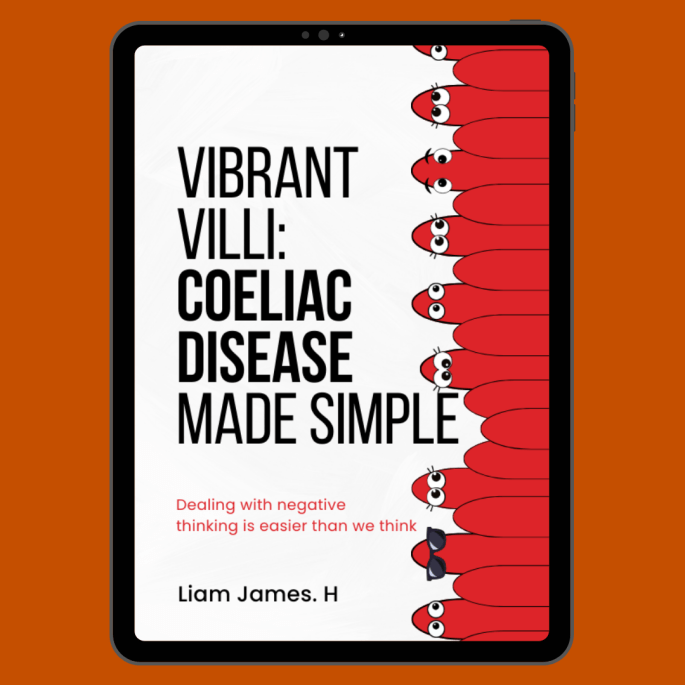
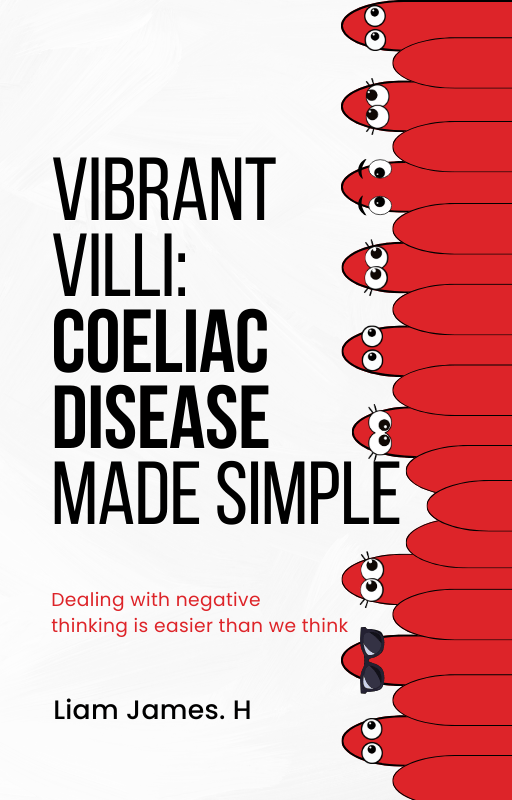
        Check out my book all about coeliac disease:

        The Ultimate Gluten-Free Protein Yogurt Parfait (2025’s Most-Loved Breakfast)

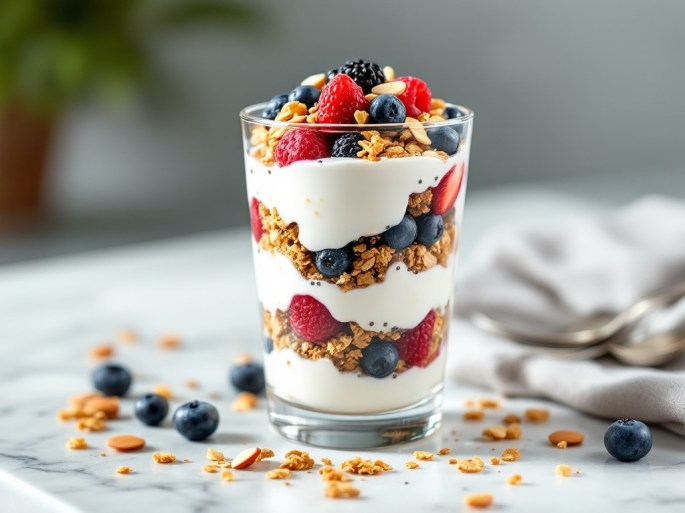
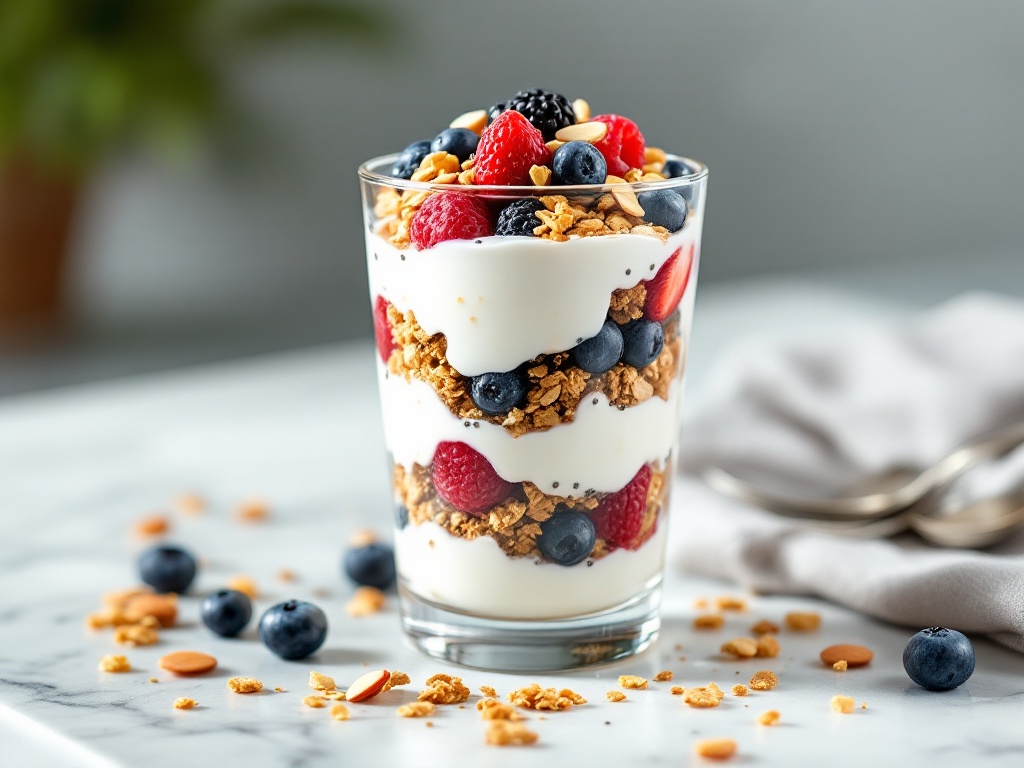
        Looking for a protein-rich, gluten-free breakfast that’s both trendy and delicious? This protein-packed yogurt parfait is taking 2025 by storm, perfect for anyone with celiac disease or gluten sensitivity. With layers of creamy Greek yogurt, naturally gluten-free toppings, and protein-rich additions, this parfait is both Instagram-worthy and nutritious.

        Gluten free Parfait 2025

        Prep Time: 10 minutes Total Time: 10 minutes Servings: 1

        Ingredients:

        • 1 cup Greek yogurt (certified gluten-free)
        • 1/4 cup gluten-free granola
        • 1/2 cup mixed berries (strawberries, blueberries, raspberries)
        • 1 tablespoon honey
        • 1 tablespoon chia seeds
        • 1 scoop vanilla protein powder (certified gluten-free)
        • Optional: sliced almonds, coconut flakes

        Instructions:

        1. Mix Greek yogurt with protein powder until smooth
        2. Layer 1/3 of the yogurt mixture in a glass
        3. Add a layer of berries and granola
        4. Repeat layers twice more
        5. Top with chia seeds, honey, and optional toppings

        Tips for Celiac Safety:

        • Always verify your granola is certified gluten-free
        • Check protein powder labels for gluten-free certification
        • Use clean, uncontaminated utensils

        Nutrition Information:

        • Protein: 25g
        • Fiber: 8g
        • Calories: 350
        • Gluten: 0g

        For more gluten-free food ideas and travel tips, sign up for free:

        Go back

        Your message has been sent

        Warning

        The Ultimate Guide to Gluten-Free Dining in Krakow (2025 Update)

        As someone living with celiac disease, I’m excited to share this comprehensive guide to gluten-free dining in Krakow, with verified information about one of the city’s dedicated gluten-free establishments.

        Featured Dedicated Gluten-Free Restaurant:

        Zapiekane Gluten Free Bistro

        • Location: Koletek 7, 31-069 Kraków, Poland
        • Current Rating: 4.8/5 (419 verified reviews)
        • Price Range: 20-40 zł
        • Contact: +48 790 764 508
        • Opening Hours:
          • Wednesday to Sunday: 1:00 PM – 6:00 PM
          • Monday and Tuesday: Closed

        Key Features:

        • 100% dedicated gluten-free facility
        • Certified “Menu bez glutenu” (Gluten-free menu certification)
        • Offers traditional Polish street food in gluten-free versions
        • Vegan options available
        • Outdoor seating available
        • No reservations required

        Menu Highlights:

        • Traditional zapiekanki (Polish street food)
        • Pizzerini
        • Hot dogs
        • Vegan and meat burgers
        • Traditional Polish pierogi
        • Gluten-free donuts
        • Dairy-free cheese options available

        Tips for Dining:

        1. Best Times to Visit
        • Weekdays are typically less busy
        • Peak hours are between 2-4 PM
        • Weekends can get very busy, especially between 2-5 PM
        1. Essential Polish Phrases
        • “Bezglutenowe” (Gluten-free)
        • “Mam celiakię” (I have celiac disease)
        • “Czy to jest bezglutenowe?” (Is this gluten-free?)

        Shopping for Gluten-Free Products: Verified locations for gluten-free groceries in Krakow:

        • Carrefour (confirmed to have a reasonable selection of gluten-free products)

        Additional Celiac-Safe Options in Krakow:

        Pod Norenami (Asian Fusion)

        • Location: Krupnicza 6
        • Features:
          • Dedicated gluten-free menu
          • Staff trained in cross-contamination prevention
          • Clear allergen labeling
          • Asian fusion cuisine with Polish influences

        Gluten-Free Bakeries:

        Sweet Freedom Bakery

        • Location: Józefa 25
        • Specialties:
          • Fresh gluten-free bread daily
          • Traditional Polish pastries (bezglutenowe)
          • Custom-order cakes
          • Vegan options available

        Safe Chain Restaurants:

        1. Green Way
        • Multiple locations throughout Krakow
        • Features:
          • Clearly marked gluten-free options
          • Vegetarian/vegan friendly
          • Staff trained in allergen handling
        1. Sphinx
        • Several locations in city center
        • Features:
          • Dedicated gluten-free menu
          • Cross-contamination protocols in place
          • Mediterranean and Polish fusion

        Apps and Resources:

        • FindMeGlutenFree app – regularly updated for Krakow
        • Polish Celiac Society website (Polskie Stowarzyszenie Osób z Celiakią)
        • Local Facebook group: “Gluten Free Krakow Community”

        Conclusion:

        Krakow has evolved into a surprisingly accommodating destination for celiac travelers. While traditional Polish cuisine often contains gluten, the city’s growing awareness of celiac disease has led to an increase in safe dining options. From dedicated gluten-free facilities to adapted traditional restaurants, finding safe food is becoming easier each year.

        Best Airlines for Coeliac Passengers: The Ultimate Guide to Gluten-Free Air Travel (2025 Update)

        Living with coeliac disease shouldn’t limit your ability to explore the world. As someone who understands the challenges of navigating gluten-free options while traveling, I’ve created this comprehensive guide to help you choose the best airlines and prepare for safe, stress-free flights in 2025.

        For more gluten-free and coeliac tips, subscribe below:

        Go back

        Your message has been sent

        Warning

        Understanding Airline Gluten-Free Policies

        Before diving into specific airlines, it’s important to understand what “gluten-free” means in the context of airline catering:

        – NGCI (No Gluten Containing Ingredients) certification

        – Cross-contamination prevention protocols

        – International standards compliance

        – Allergen labeling requirements

        Detailed Analysis of Top Airlines

        1. Emirates Airlines (5/5 Stars)

        Strengths:

        – Industry-leading gluten-free kitchen facilities in Dubai

        – Certified gluten-free meal preparation process

        – Multiple gluten-free options per flight

        – Special meal tracking system

        – Dedicated allergen control officers

        Menu Highlights:

        – Grilled chicken with quinoa

        – Beef tenderloin with rice

        – Gluten-free breakfast options including specially made pastries

        – Certified gluten-free snack boxes

        2. British Airways (4.5/5 Stars)

        Strengths:

        – Partnership with leading gluten-free caterers

        – Clear NGCI labeling system

        – Comprehensive staff training program

        – Pre-flight meal confirmation service

        Menu Highlights:

        – Traditional British meals adapted to be gluten-free

        – Selection of gluten-free bread and crackers

        – Special afternoon tea service with gluten-free options

        – Dedicated gluten-free breakfast choices

        3. Qatar Airways (4.5/5 Stars)

        Strengths:

        – Award-winning special meals program

        – On-board chef for first class

        – Detailed ingredient lists available

        – Multiple gluten-free options per meal service

        Menu Highlights:

        – Middle Eastern cuisine adapted to be gluten-free

        – International menu options

        – Premium gluten-free desserts

        – Certified gluten-free Arabic mezze

        4. Virgin Atlantic (4/5 Stars)

        Strengths:

        – Innovative gluten-free menu design

        – Partnership with celiac organizations

        – Regular menu updates

        – Clear allergen communication

        Menu Highlights:

        – Modern British cuisine

        – International dishes

        – Gluten-free afternoon tea service

        – Special celebration meals available

        Comprehensive Flight Planning Guide

        Pre-Flight Preparation:

        1. Booking Process

        – Book meals 48-72 hours in advance

        – Request seat assignment near galley for faster service

        – Join airline loyalty programs for better meal tracking

        – Keep booking reference numbers handy

        2. Documentation Package

        – Medical certification of coeliac disease

        – Translation cards in multiple languages

        – Emergency contact information

        – List of local coeliac organizations at destination

        3. Emergency Food Kit

        Essential items to pack:

        – Certified gluten-free protein bars

        – Dried fruits and nuts

        – Gluten-free crackers

        – Sealed sandwich alternatives

        – Instant gluten-free oatmeal packets

        Airport Navigation

        1. Security Checkpoint Tips

        – Carry medical documentation for food items

        – Pack liquids (like gluten-free sauces) according to regulations

        – Keep snacks easily accessible for screening

        – Know your rights regarding medical food requirements

        2. Airport Lounge Access

        Best lounges for gluten-free options:

        – Emirates First Class Lounge (Dubai)

        – British Airways Galleries (London Heathrow)

        – Qatar Airways Al Mourjan (Doha)

        – Virgin Atlantic Clubhouse (London Heathrow)

        Long-Haul Flight Strategies

        1. Meal Timing Management

        – Research flight meal service schedule

        – Plan snack times between meals

        – Consider time zone changes

        – Hydration planning

        2. Cross-Contamination Prevention

        – Request meal service first

        – Use sealed cutlery

        – Wipe down tray tables

        – Avoid shared condiments

        3. Communication Strategies

        Key phrases in multiple languages:

        – “I have coeliac disease”

        – “I need gluten-free food”

        – “Does this contain wheat/barley/rye?”

        – “Is this prepared separately from regular meals?”

        International Travel Considerations

        1. Regional Variations

        – Asian airlines: Focus on rice-based meals

        – Middle Eastern carriers: Emphasis on grilled meats and rice

        – European airlines: Varied continental options

        – American carriers: Standardized gluten-free meals

        2. Cultural Awareness

        – Understanding of “gluten-free” varies by region

        – Local certification standards

        – Religious meal options that are naturally gluten-free

        – Regional dietary preferences

        Technology and Tools

        1. Useful Apps

        – Airline-specific meal tracking apps

        – Translation apps for dietary requirements

        – Flight tracking for meal planning

        – Airport maps for food locations

        2. Online Resources

        – Airline allergen information portals

        – Airport restaurant directories

        – Gluten-free travel forums

        – Social media support groups

        Emergency Situations

        1. Meal Issues

        – Steps to take if meal isn’t available

        – Communication with cabin crew

        – Compensation policies

        – Alternative meal options

        2. Health Concerns

        – Managing cross-contamination exposure

        – In-flight medical assistance

        – Emergency landing procedures

        – Travel insurance coverage

        Future Trends in Airline Catering (2025)

        – Emerging technologies in allergen testing

        – Improved meal tracking systems

        – Enhanced personalization options

        – Sustainable packaging initiatives

        Expanded FAQs

        Q: How reliable are airline gluten-free meals?

        A: Reliability varies by airline, with Emirates and British Airways consistently ranking highest for special meal accuracy.

        Q: Can I request gluten-free meals after booking?

        A: Yes, but it’s recommended to book at least 48 hours in advance. Some airlines accept requests up to 24 hours before departure.

        Q: Are business/first class gluten-free options better?

        A: Generally yes, with more choices and often higher quality ingredients. Premium cabins also often offer à la carte dining.

        Q: How do airlines handle connecting flights?

        A: Special meal requests typically transfer automatically, but it’s wise to confirm for each flight segment.

        Q: What happens if my flight is rescheduled?

        A: Most airlines automatically transfer meal requests, but always verify during rebooking.

        Expert Tips

        1. Booking Strategies

        – Book morning flights for freshest meal options

        – Choose direct flights when possible

        – Consider airlines with good track records for special meals

        – Use travel agents specializing in dietary requirements

        2. Loyalty Program Benefits

        – Priority meal service

        – Better meal tracking

        – Access to special lounges

        – Dedicated customer service

        3. Documentation Best Practices

        – Digital and physical copies of medical cards

        – Multiple language translations

        – Emergency contact information

        – Local coeliac organization contacts

        For more gluten-free and coeliac tips, subscribe below:

        Go back

        Your message has been sent

        Warning

        A Coeliac’s Guide to Gluten-Free Dining in Lisbon: Must-Visit Restaurants (2025 Update

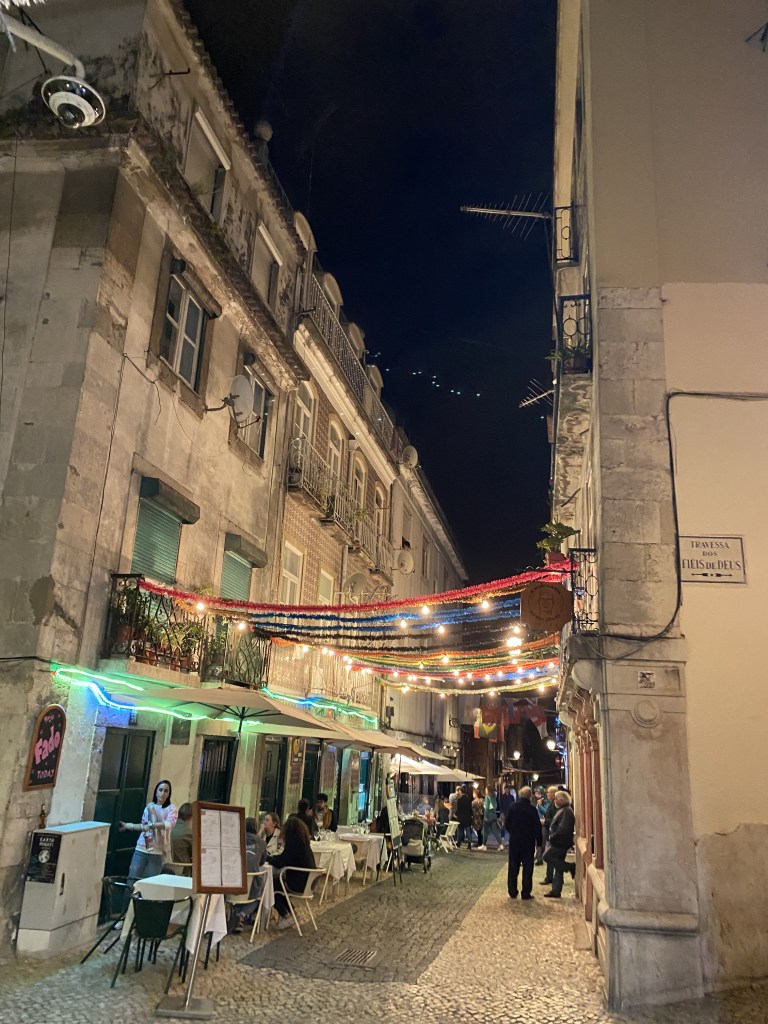
        As someone living with celiac disease who has traveled across 5 continents, I’m excited to share my carefully researched guide to truly celiac-safe dining in Lisbon.

        While the city offers many gluten-free options, I’ll focus on the establishments that take cross-contamination seriously and are certified by the Portuguese Celiac Association (APC).

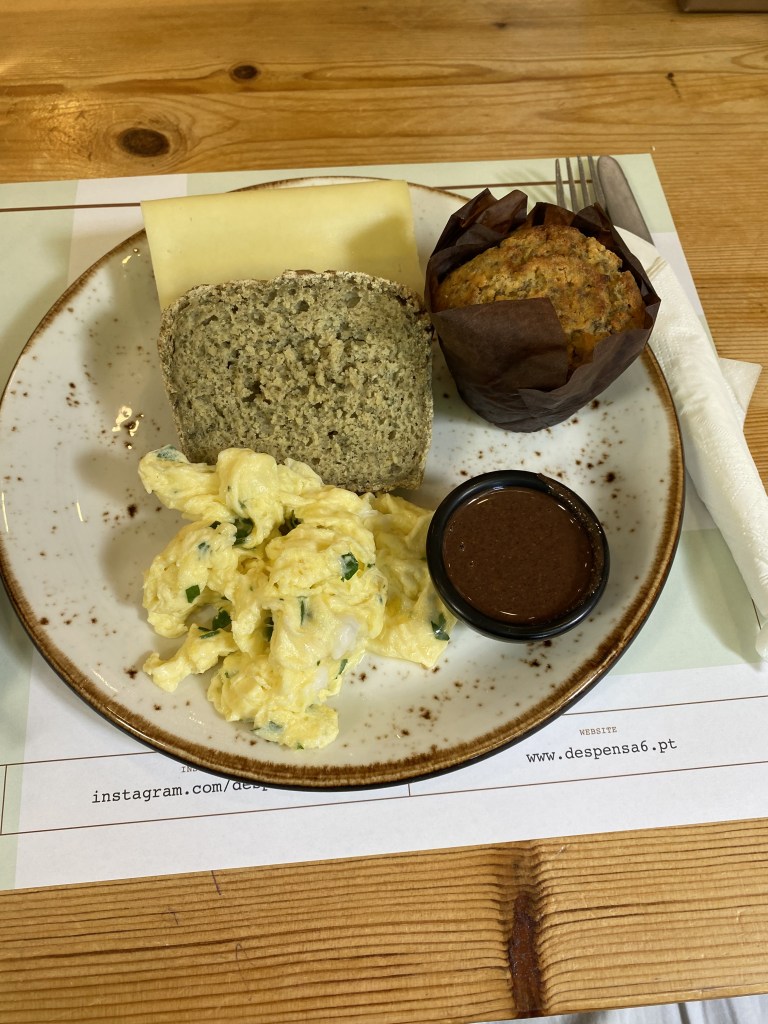
        1. The Food for Real – This APC-certified 100% gluten-free restaurant is a true gem for celiacs in Lisbon. With two locations in the city, they’ve earned their reputation as one of the safest options for celiac diners. Their dedicated gluten-free kitchen ensures zero cross-contamination, making it a worry-free dining experience.
        2. Rice Me – Located in central Lisbon, Rice Me specializes in rice-based dishes with dedicated gluten-free options. While not a 100% gluten-free facility, they demonstrate strong awareness of celiac requirements and have clear protocols for handling gluten-free orders.
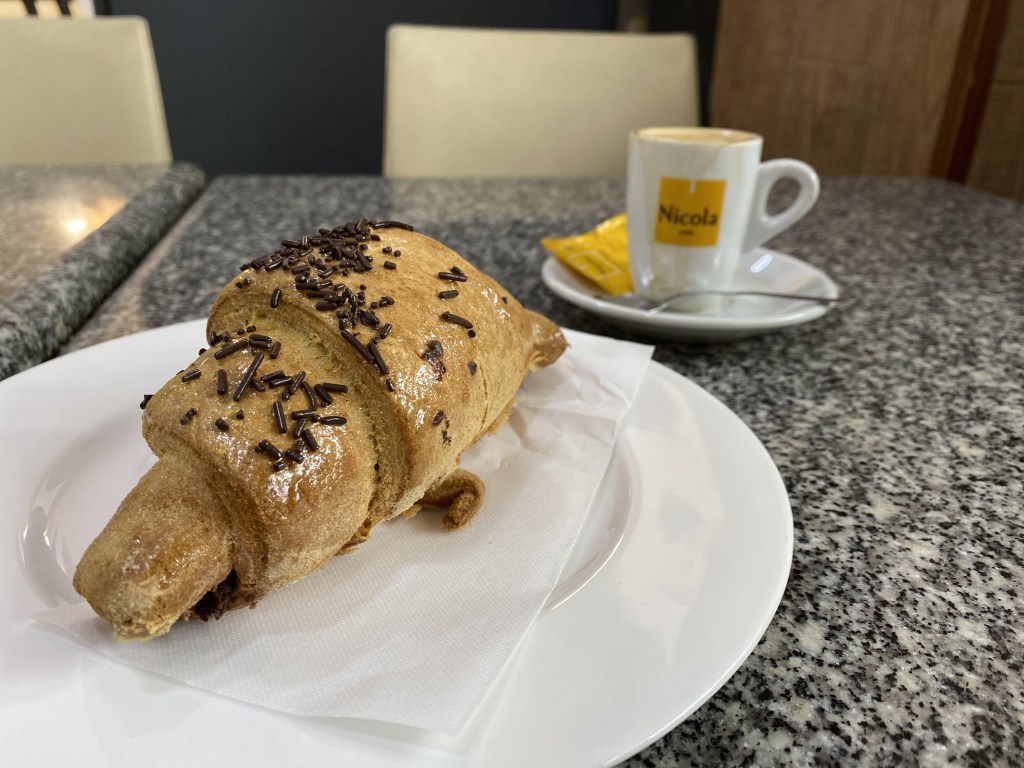
        3. Bonna Pastelaria Gluten Free – This 100% gluten-free bakery is certified by the Portuguese celiac association, offering everything from pizzas to traditional Portuguese pastries. Finally, a place where celiacs can safely enjoy pastel de nata!

        Important Tips for Celiac Diners in Lisbon:

        • Always carry a Portuguese gluten-free restaurant card (“cartão sem glúten”)
        • Make reservations in advance and communicate your celiac requirements
        • Look for APC certification (Portuguese Celiac Association)
        • Remember that “sem glúten” means gluten-free in Portuguese

        Natural Gluten-Free Portuguese Options:

        • Grilled fish (peixe grelhado)
        • Grilled meat (carne grelhada)
        • Rice dishes (arroz)
        • Boiled potatoes (batatas cozidas)
        • Fresh vegetables (legumes frescos)

        Final Thoughts – Lisbon isn’t just another European capital – it’s a celiac-friendly destination that takes gluten-free dining seriously. Whether you’re craving traditional Portuguese flavors or international cuisine, these restaurants prove that being coeliac in Lisbon is no barrier to exceptional dining experiences.

        Remember to pack those stretchy pants – you’re going to need them!

        Have you tried any of these gluten-free restaurants in Lisbon? Share your experiences in the comments below! And don’t forget to save this guide for your next trip to Portugal’s capital.

        Go back

        Your message has been sent

        Warning

        #GlutenFreeLisbon #CoeliacTravel #GlutenFreePortugal #LisbonFoodGuide #GlutenFreeDining

        🌟 Join our gluten-free community! We share daily tips, certified restaurant finds, and travel guides for living deliciously gluten-free. Hit follow for your daily dose of celiac-safe inspiration! 🌍✨ #GlutenFree #CeliacLife
        https://www.facebook.com/whatgluten/

        Why Gluten-Free Bread is the Culinary Equivalent of a Practical Joke

        Let’s face it: gluten-free bread is nature’s way of reminding us that nothing in life comes without a catch. Gluten is the glue that holds bread together—literally—and when you take it out, you’re left with something that barely qualifies as bread and more closely resembles a dense sponge that doubles as a yoga block.

        Gluten free bread

        The Texture Tango
        Biting into gluten-free bread is like chewing on sadness. It crumbles when you don’t want it to and sticks together when you least expect it—usually mid-chew, leaving you wondering if you’re eating bread or attempting to patch drywall. Toast it, and you’ve got yourself a cracker with trust issues. Don’t toast it, and it feels like someone’s cruel experiment in damp cardboard.

        Flavor? What Flavor?
        Traditional bread has a warm, yeasty aroma that makes you think of cozy kitchens and happy grandmas. Gluten-free bread, on the other hand, tastes like a dare. It often has the delightful essence of rice flour, tapioca, and crushed dreams. Smear on some butter, and instead of soaking it in like a proper slice, it just sits there like an awkward houseguest who refuses to leave.

        Slice, Dice, Cry
        You ever tried making a sandwich with gluten-free bread? Good luck. It breaks apart faster than my willpower at a buffet. You start with two slices, but by the time you’ve added the fillings, you’re holding a sandwich casserole. And forget cutting it evenly—gluten-free bread has a mind of its own, slicing at angles that defy geometry and common sense.

        The Price of Disappointment
        And don’t get me started on the price. Regular bread costs a few bucks, but gluten-free bread? That’s an investment. At $7 a loaf, it’s like paying premium prices for an artisanal brick. For that cost, I expect it to taste better than air and not disintegrate the moment I look at it funny.


        Let’s stop pretending gluten-free bread is bread. It’s just an expensive science experiment that’s escaped the lab. Gluten-free brownies, cookies, and even pizza crusts have come a long way—why can’t bread? Until then, I’ll be here with my gluten-filled sourdough, living my best life.

        If you’re a coeliac or live a gluten-free lifestyle, sign up for updates to stay informed and discover tips, recipes, and more!

        Go back

        Your message has been sent

        Warning

        Coeliac Disease: Historical Insights from Ancient to Modern Day

        This blog post is an expert from Chapter 1 of my book: Vibrant Villi – Coeliac Disease Made Simple.

        The history of coeliac disease can be traced back to ancient times.

        2nd Century

        The first known description of the disease was written by the Greek physician Aretaeus of Cappadocia in the 2nd century AD.

        Aretaeus

        Aretaeus, a distinguished Greek physician, holds a special place in medical history as one of antiquity’s most influential writers. His eight medical texts explored a wide range of ailments, including asthma, epilepsy, pneumonia, and the condition we now recognize as coeliac disease. You could say he was the “Jack of all ailments” in his day—minus the modern diagnostic tools, of course.

        In his book On the Causes and Symptoms of Chronic Diseases, Aretaeus offered the first known description of coeliac disease, which he called “coeliac affection.” The term ‘koiliakos’ was derived from the Greek word ‘koelia,’ meaning abdomen—a clear hint that something was afoot (or ab-domen!) in the digestive system. He described the condition succinctly:
        “If the stomach be irretentive of the food and if it pass through undigested and crude, and nothing ascends into the body, we call such persons coeliacs.”

        For a man living over 1,800 years ago, his observations were impressively accurate. Aretaeus noted that this affliction primarily affected children and was often associated with malnutrition and wasting. His treatment advice? Avoid grains like wheat, barley, and millet. In other words, he was centuries ahead of the modern gluten-free movement—no trendy quinoa bowls required.

        Aretaeus didn’t stop at coeliac disease. He also wrote about diabetes, asthma, epilepsy, and more, proving himself to be a true medical multitasker. His sharp observations and practical advice laid the foundation for modern medicine, showing that even in the ancient world, science was far from crude.

        19th Century

        For centuries, coeliac disease was an enigma—a mysterious and often fatal condition that baffled physicians. But by the 19th century, the medical world started making headway, thanks to some diligent researchers. Among them was Samuel Gee (1839–1911), an English paediatrician who, in 1888, provided a game-changing breakthrough in understanding the disease.

        Samuel Gee

        In his paper, On the Coeliac Affection, published in the St. Bartholomew’s Hospital Reports, Gee offered the first comprehensive modern description of coeliac disease. He didn’t just stumble onto his findings; he meticulously studied over 100 children with chronic indigestion, wasting, and other symptoms. If Gee had a superhero alias, it might have been “Captain Observant.”

        Gee noted that the disease’s tell-tale signs included chronic diarrhoea, abdominal distension, wasting, and stunted growth—symptoms that sound like a checklist for a very unpleasant day. He also observed a higher prevalence among children from poorer backgrounds, possibly because their diets included more grain-based staples (or perhaps because gluten-free croissants hadn’t been invented yet).

        Most impressively, Gee theorized that coeliac disease was caused by a food intolerance, decades before “gluten-free” became a dinner-party buzzword. He discovered that his patients improved on a diet excluding wheat and other grains, but the exact culprit eluded him. Gluten, lurking like an invisible dietary villain, would remain unmasked for decades.

        Beyond coeliac, Gee was a busy man. He contributed to understanding conditions like cyclic vomiting syndrome and scarlet fever, while also mentoring a generation of paediatricians. A respected teacher and practitioner, Gee’s legacy reached far beyond his own research, though he probably never guessed he’d inspire millions to swear off bread centuries later.

        Gee’s groundbreaking work on coeliac disease transformed countless lives. Today, he stands as a towering figure in the history of coeliac research—a hero of the gluten-intolerant, even if he never got to taste a slice of gluten-free pizza himself.

        20th Century

        A couple of decades later in the 1920s, the American paediatrician Sidney Haas conducted a series of experiments that showed that carbohydrates were the culprit food in coeliac disease.

        Sidney Haas

        He is best known for introducing the “banana diet,” a treatment regimen that involved feeding coeliac patients a diet rich in bananas and other fruits and vegetables. Haas’s work on coeliac disease was groundbreaking at the time, as the cause of the disease was not yet understood. He observed that children with coeliac disease who ate bananas showed significant improvement in their symptoms. Haas hypothesized that bananas contained an enzyme that could break down the protein that triggers the illness.

        Haas’s banana diet was not a cure, but it did provide a way to manage symptoms. It was widely used in the 1950s and 1960s, before the development of a gluten-free diet.

        Haas’s work on coeliac disease was controversial, as some doctors believed that bananas were not an effective treatment. However, his work paved the way for the development of new treatments.The history of coeliac disease can be traced back to ancient times.

        .. For the rest, and much more, check out my eBook on Amazon!

        Click here!

        Or, for free updates about Coeliac Disease and Gluten-Free Travel, sign up for free:

        Go back

        Your message has been sent

        Warning

        Gluten-Free Fast Food? A McDonald’s Surprise in Budapest

        Greetings, gluten warriors! I hope everyone’s doing well and has managed to avoid any recent “oops, is this gluten?” moments.

        Lately, I’ve been leaning into a plant-based and whole-food lifestyle—because, you know, health—but when I discovered gluten-free options at McDonald’s, my resolve wavered faster than a crumbling gluten-free sandwich. Naturally, I had to investigate.

        Back in September 2019, I found myself in the stunning capital of Hungary—Budapest. I’d only been diagnosed with celiac disease a few months earlier and hadn’t ventured far beyond the U.K. since. If you haven’t been, Budapest is a gem of a city. It’s vibrant, fascinating, and brimming with gluten-free options. Seriously, it’s a coeliac’s playground.

        While wandering Budapest in search of safe food, I stumbled upon a McDonald’s that offered gluten-free burgers. Let me tell you, my excitement rivaled finding a rogue gluten-free brownie in the back of the pantry. Not only was I thrilled to try the food, but I was also amazed at how much faster places like Hungary have embraced the gluten-free demand compared to the U.K.

        Now, I wouldn’t say I was pining for McDonald’s, but I did miss the convenience of fast food as a fallback. It’s nice to know that if I want a burger in a hurry (and who doesn’t sometimes?), I have an option—even if it does crumble like a poorly made sandcastle.

        The burger can be ordered solo or as part of a meal. The fries, however, are a contentious topic among celiacs—so I’ll leave that decision in your capable hands. (Cue the dramatic dun-dun-DUN.) On the bright side, the price wasn’t much higher than a regular meal. That’s a pleasant surprise, considering gluten-free groceries usually feel like they come with a luxury tax.

        As for the taste? Well, it was a McDonald’s burger, but with gluten-free bread. The grease seemed to hold things together better than your standard gluten-free loaf, but let’s be real—crumbly bread is inevitable. I think I enjoyed the experience more for the novelty than for the flavor.

        Have you been to Budapest? Does your local McDonald’s have gluten-free options? Let me know—I’m always on the hunt for more surprise gluten-free finds!

        Gluten Free on the GO – Snack Bars

        Preparing a gluten-free meal can be challenging, even under the best circumstances. That’s why I always keep a few gluten-free snacks handy—just in case!

        While fresh fruit is ideal, it’s not always practical when I’m traveling (which is often). Let’s be honest—bananas don’t stand a chance against the jostling of a backpack. Instead, I rely on a stash of gluten-free treats tucked away in the sock compartment of my bag.

        Here are my top three gluten-free snack bars:

        #1 Nakd

        SOURCE: https://www.amazon.co.uk/Nakd-Fruit-Bars-Mixed-Case/dp/B00V6H9106RCE

        I absolutely LOVE Nakd bars!

        I only discovered them about a year ago, but the company has been around for over 14 years. Nakd bars are made in the UK and use 100% natural ingredients, 100% of the time. Not only are they gluten-free, but they also count as one of your five-a-day—making them both a delicious and nutritious choice!

        My favorite flavor is Cocoa Orange, but they also have a festive Christmas flavor that’s perfect for the holiday season. I highly recommend giving them a try!

        https://eatnakd.com/

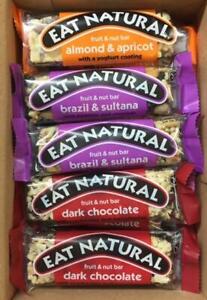
        #2Eat Natural 

        SOURCE: https://www.ebay.com/itm/Eat-Natural-Fruit-and-Nut-Bars-Mixed-Box-of-20-Bars-/132509348248

        The Eat Natural Company has been crafting delicious snacks since 1996!

        Their bars are the largest on my list, and they cater to everyone with both vegan and non-vegan options. My personal favorite? The apple, ginger, and dark chocolate flavor—I’m completely obsessed!

        Eat Natural operates in both the UK and the Netherlands, and they’re deeply committed to giving back through various charity projects. It’s a brand that not only delivers on taste but also makes a positive impact.

        https://www.eatnatural.com/

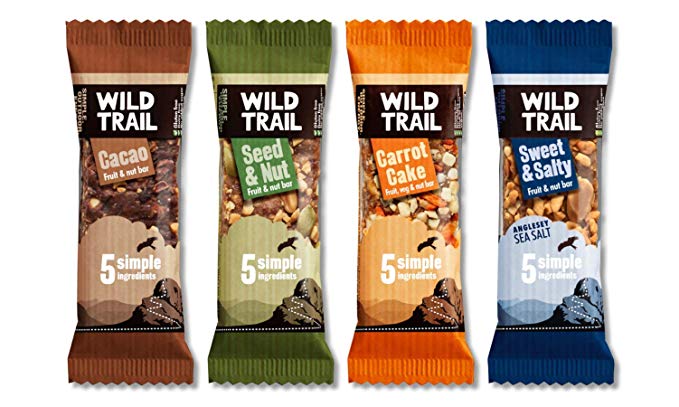
        #3Wild Trail “Simple. Outdoor. Energy”

        SOURCE: https://wildtrail.co.uk/

        Wild Trail bars may be the smallest on my list, but they’re packed with flavor!

        Launched in 2016, the company draws its inspiration from the stunning landscapes of Snowdonia. True to their ethos—”Simple. Outdoor. Energy.”—Wild Trail bars are 100% vegan and perfect for fueling your adventures.

        You can find Wild Trail products at Tesco, Co-op, Ocado, and Amazon Prime.

        Healthy, gluten free and naturally sourced snack bars are a growing market (yay for us with celiac disease), so I expect my list with grow over time!

        Have you tried any of the above? What’s your go-to gluten free snack? I’d love to know 🙂